GarageCalculator.com leads the way in helping U.S. homeowners plan and build functional garages with precise calculators and expert advice. As we kick off 2026, emerging trends focus on smart tech, sustainability, and multi-use spaces tailored to modern lifestyles.
Why 2026 Garage Upgrades Matter Now
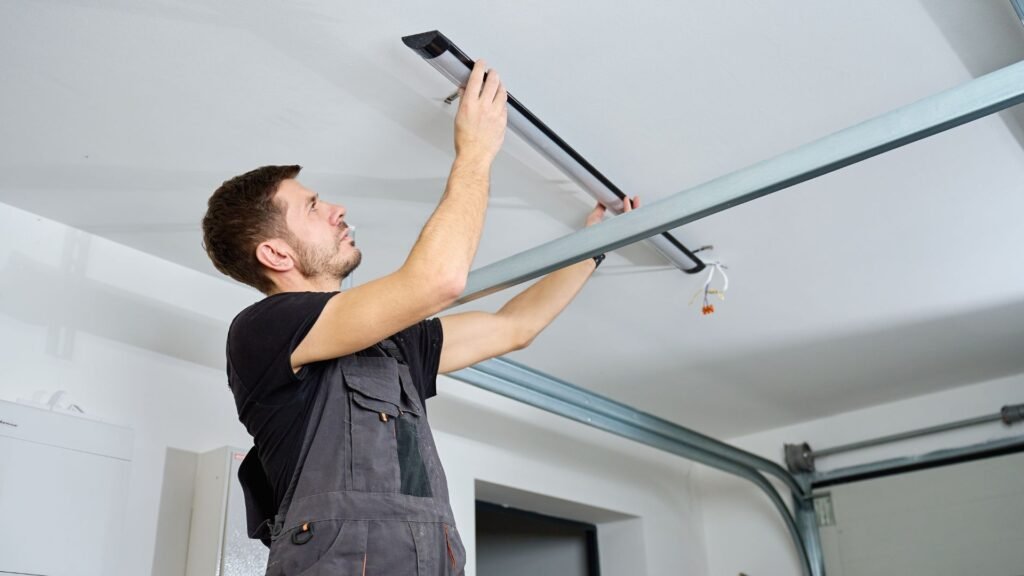
Homeowners across the U.S. are transforming garages from mere parking spots into versatile hubs for work, hobbies, and storage. With remote work here to stay and electric vehicles (EVs) surging—over 1 million sold in 2025 alone—these spaces must adapt quickly. Rising energy costs and extreme weather push for efficient, resilient designs that boost property value by up to 15%.
Planning starts with accurate sizing. Use our Garage Size Calculator to determine square footage based on vehicles, storage, and extras like workshops.
Top Trend: EV-Ready Infrastructure
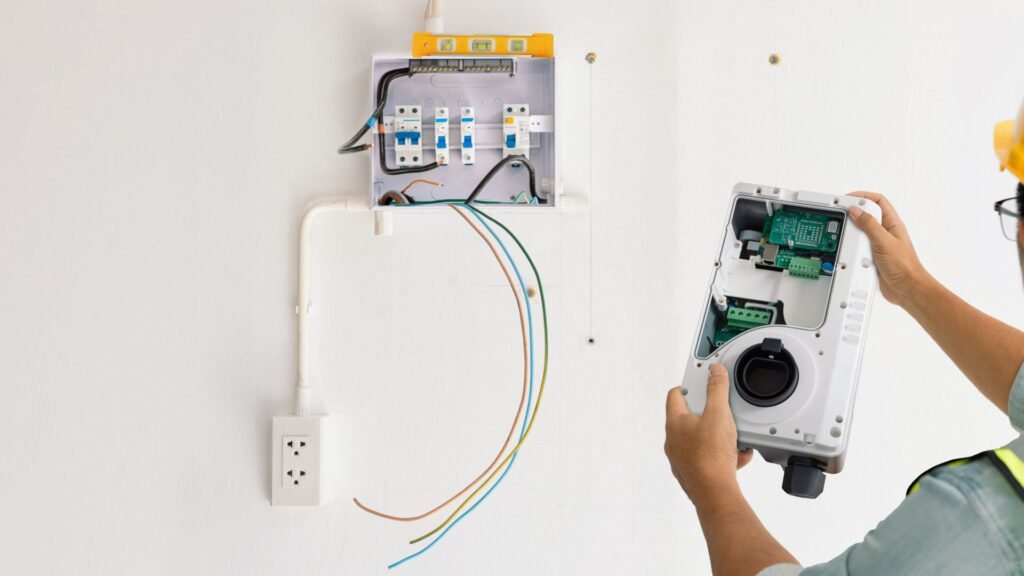
Electric vehicles dominate 2026 driveways, with Tesla’s new affordable model and Ford’s F-150 Lightning leading sales. Garages need Level 2 chargers (240-volt) for overnight charging, cutting times from days to hours.
- Install dedicated 50-amp circuits early to avoid rewiring later.
- Add energy monitoring via apps like Tesla’s to track usage and costs.
- Pair with solar panels on the garage roof for off-grid charging.
Expect costs of $500-$1,500 per charger, plus $1,000 for wiring. Check local rebates from the U.S. Department of Energy, which extended incentives through 2026.
Sustainable Materials Take Center Stage
Eco-conscious builds rise amid climate concerns. Recycled steel for doors and low-VOC epoxy floors reduces carbon footprints by 30% over traditional options.
Key choices:
- Insulated doors: R-value 18+ blocks heat, saving 20% on HVAC bills.
- Cool roofing: Reflective coatings drop interior temps by 50°F in summer.
- Permeable concrete: Manages stormwater, complying with new EPA rules in flood-prone states.
These upgrades align with LEED standards, appealing to green buyers. A full eco-retrofit averages $10,000-$25,000, recouping via 10% higher resale prices.
Smart Tech Integration
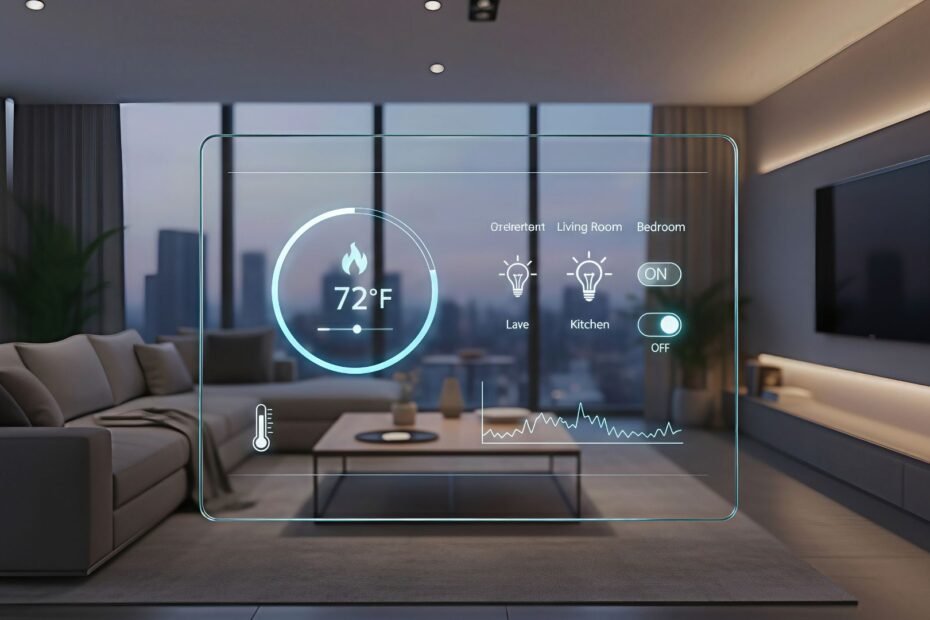
Voice-activated systems turn garages into seamless smart homes. By 2026, 60% of new garages feature IoT hubs linking lights, doors, and security.
Popular setups:
- Motion-sensor LEDs: Philips Hue or Nanoleaf save 80% energy.
- App-controlled doors: Chamberlain MyQ syncs with Alexa for remote access.
- Cameras with AI: Ring or Arlo detect motion and alert via smartphone.
Security cameras now include facial recognition, reducing false alarms. Budget $200-$800 for basics. For deeper insights, see the National Association of Home Builders’ guide on smart home integrations.
Multi-Use Garage Designs
Gone are single-purpose garages. Post-pandemic, 40% serve as home offices, gyms, or ADUs (accessory dwelling units) under relaxed zoning in states like California and Texas.
Design tips:
- Zoning with slatwall: Organizers hold tools, bikes, and kayaks vertically.
- Flooring versatility: Rubber mats for gyms double as EV drip pans.
- Modular shelving: Adjusts for holiday storage or hobby benches.
A 24×24-foot garage fits two cars plus a 10×10 office nook. Calculate your layout with our tools to optimize flow.
Maximizing Storage Efficiency
Clutter kills usability. Vertical storage solutions like overhead racks hold seasonal gear, freeing 30% more floor space.
Effective strategies:
- Ceiling-mounted platforms: 400-lb capacity for boxes and furniture.
- Wall tracks: Gladiator or Husky systems customized for power tools.
- Clear bins: Label for quick access, ideal for preppers amid supply chain worries.
Invest $300-$1,000 for pro-grade setups. This trend ties into minimalism, with U.S. households decluttering post-2025 economic shifts.
Lighting and Ventilation Overhauls
Poor lighting causes 25% of garage accidents. LED upgrades with 5,000 lumens brighten workspaces like daylight.
Ventilation combats fumes and moisture:
- Exhaust fans: 200 CFM units clear CO from idling EVs.
- Dehumidifiers: Prevent mold in humid regions like Florida.
- Skylights or solar tubes: Natural light reduces electric draw.
Combine for $500-$2,000. Smart timers sync with occupancy for hands-free operation.
Cost Breakdown and ROI
Upgrading pays off. A $15,000 smart garage boosts home value by $25,000, per 2026 Zillow data.
| Upgrade Type | Avg. Cost (24×24 Garage) | ROI Timeline | Energy Savings |
|---|---|---|---|
| EV Charger + Wiring | $3,000 | 3-5 years | 15-20% |
| Epoxy Floor + Insulation | $5,000 | 5-7 years | 25% |
| Smart Tech Package | $2,500 | 2-4 years | 30-40% |
| Storage + Shelving | $1,500 | Immediate | Space gains |
| Full Eco-Retrofit | $20,000 | 7-10 years | 35% |
Use our cost estimators for personalized quotes. Financing via home equity lines remains low at 6.5% rates in early 2026.
Weather-Resilient Builds
With 2025’s record storms, hurricane-rated doors (140 mph wind) and reinforced framing are musts in the Southeast. In the Midwest, tornado shelters integrate into garage floors.
- Impact windows: Double-pane with low-E coating.
- Sealed foundations: Block radon and pests.
- Backup generators: Whole-garage power for outages.
These add 10-15% to build costs but cut insurance premiums by 20%.
Future-Proofing Your Investment
President Trump’s 2025 infrastructure push funds garage-adjacent road upgrades, easing EV commuting. Look to 2027 for federal mandates on home charging in new builds.
Start small: Audit your garage with our free checklists. Consult local codes via the International Code Council.
Transform your garage into a 2026 powerhouse—efficient, secure, and value-adding. Ready to calculate your project? Visit GarageCalculator.com today.