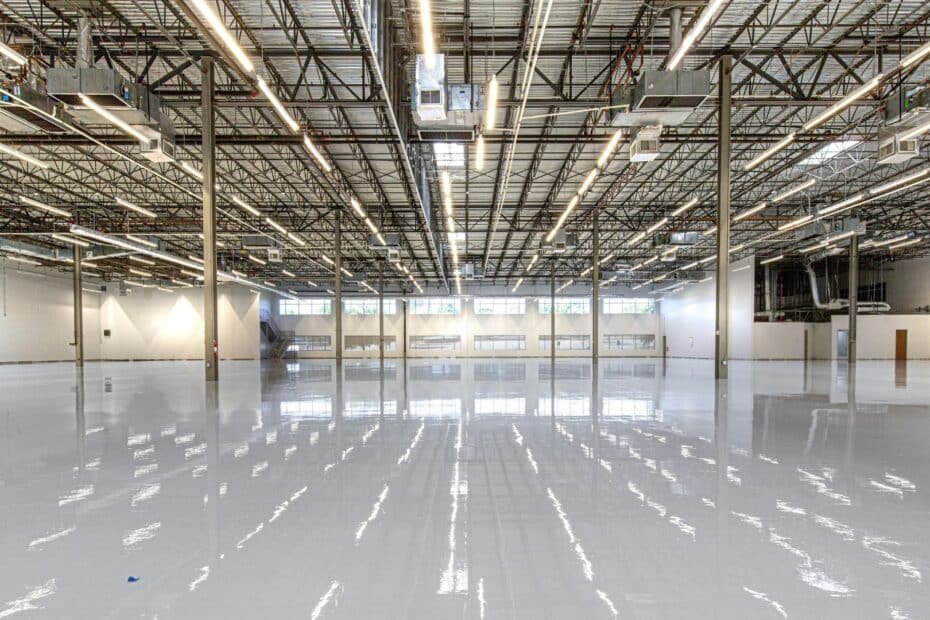
Choosing the right garage flooring is critical because your floor endures vehicle weight, chemical spills, temperature swings, and constant foot traffic. In 2026, the best garage flooring options combine durability, chemical resistance, and aesthetics—with professional polyaspartic coatings leading for daily-driver garages at $5-$15/sq ft installed. As a flooring specialist with 10 years focusing on garage surfaces, I’ve tested 8 top options to help you make the smartest investment. Use GarageCalculator.com to estimate your total project costs accurately.
Why Garage Flooring Is Different
Garage floors face unique challenges:
- Vehicle weight: 4,000-6,000 lbs concentrated on tire contact points
- Chemical exposure: Oil, gasoline, brake fluid, antifreeze
- Temperature extremes: -20°F to 120°F depending on climate
- Moisture: Concrete slabs transmit ground moisture
- Impact: Dropped tools, jack stands, equipment
Standard indoor flooring fails quickly in these conditions. You need purpose-built garage flooring.
Top 8 Garage Flooring Options for 2026
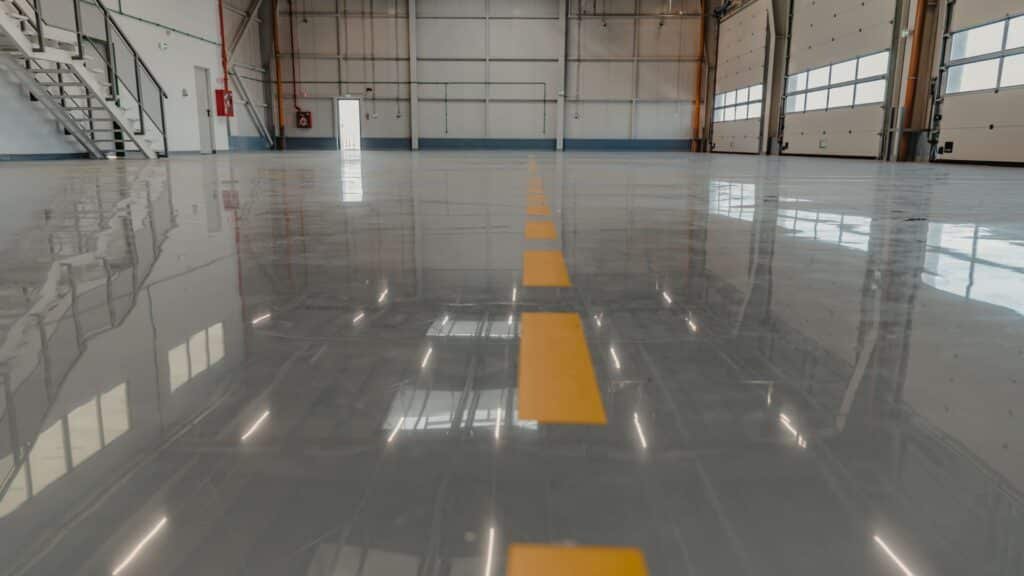
1. Professional Polyaspartic Coating – Best Overall
Cost: $5–$15/sq ft installed ($2,500-$5,000 for 2-car garage)
Durability: 15-20+ years
Chemical Resistance: Excellent
DIY-Friendly: No, professional only
Polyaspartic is the 2026 gold standard for garage floors. It’s a hybrid of epoxy and polyurea, offering the best of both: extreme durability, UV resistance (won’t yellow), and rapid curing (installable in one day).
Pros:
- Withstands hot tire pickup (won’t peel)
- 100% chemical and stain resistant
- UV-stable (no yellowing in sunlight)
- Available in decorative flakes or metallic finishes
- Can be installed in a single day
Cons:
- Most expensive option
- Requires professional installation
- Concrete must be properly prepared
Best for: Daily-driver garages, high-traffic areas, premium finishes
2. Professional Epoxy Coating – Best Value
Cost: $3–$12/sq ft installed ($2,000-$3,500 for 2-car garage)
Durability: 8-12 years
Chemical Resistance: Excellent
DIY-Friendly: Moderate (DIY kits available)
100% solids epoxy is the proven workhorse of garage flooring. It’s slightly less expensive than polyaspartic but requires longer cure times and can yellow in direct sunlight.
Pros:
- Extremely durable and chemical-resistant
- Lower cost than polyaspartic
- Wide range of decorative options
- DIY kits available for budget-conscious homeowners
Cons:
- Can yellow with UV exposure
- Requires 3-5 days for full cure
- Professional prep essential
Best for: Climate-controlled garages, budget-conscious buyers, decorative finishes
3. Interlocking PVC/Polypropylene Tiles – Best DIY Option
Cost: $2–$8/sq ft ($1,500-$3,000 for 2-car garage)
Durability: 8-15 years
Chemical Resistance: Very Good
DIY-Friendly: Yes, very easy
Interlocking tiles (brands like GarageFloorTile, RaceDeck) are the most popular DIY solution. They install in hours, require no adhesive, and can be replaced individually if damaged.
Pros:
- Easy DIY installation (no tools needed)
- Allows moisture vapor to escape (prevents bubbling)
- Replaceable tiles if damaged
- Available in many colors and patterns
- Comfortable underfoot
Cons:
- Can shift under heavy loads
- Dirt and debris collect between tiles
- Lower-end options may crack in extreme cold
Best for: Renters, DIY enthusiasts, garages with moisture issues
4. Rubber Flooring Tiles – Best for Home Gyms
Cost: $3–$10/sq ft ($1,200-$3,000 for 2-car garage)
Durability: 10-15 years
Chemical Resistance: Good
DIY-Friendly: Yes
Rubber tiles excel in garage gyms, offering shock absorption and noise reduction. They’re also comfortable for standing workspaces.
Pros:
- Excellent shock absorption
- Reduces noise and vibration
- Comfortable for workouts and standing
- Water-resistant and easy to clean
Cons:
- Can be damaged by oil and chemicals
- Heavy and difficult to install
- Limited aesthetic appeal
Best for: Home gyms, workshop areas, multi-use garages
5. Roll-Out Vinyl Mats – Best Temporary Solution
Cost: $1–$3/sq ft ($200-$800 for 2-car garage)
Durability: 5-10 years
Chemical Resistance: Fair
DIY-Friendly: Yes, very easy
Vinyl mats are the cheapest, fastest solution. They roll out over existing concrete and can be trimmed to fit.
Pros:
- Extremely affordable
- Installs in minutes
- Protects concrete from stains
- Easy to remove and replace
Cons:
- Can shift and wrinkle
- Not as durable as other options
- Limited aesthetic options
Best for: Temporary coverage, budget-conscious renters, seasonal protection
6. Polyurea Coating – Best for One-Day Install
Cost: $5–$15/sq ft installed ($3,000-$5,000 for 2-car garage)
Durability: 15-20 years
Chemical Resistance: Excellent
DIY-Friendly: No, professional only
Polyurea is similar to polyaspartic but cures even faster (usable in 24 hours). It’s ideal for homeowners who need their garage back immediately.
Pros:
- Fastest cure time (one-day install)
- Extremely durable and flexible
- UV and chemical resistant
- Handles temperature extremes well
Cons:
- Most expensive option
- Requires professional installation
- Limited decorative options compared to epoxy
Best for: Time-sensitive projects, extreme climates, premium durability
7. Stained and Sealed Concrete – Best Decorative Option
Cost: $3–$8/sq ft ($1,200-$2,500 for 2-car garage)
Durability: 5-8 years before resealing
Chemical Resistance: Good (when sealed)
DIY-Friendly: Moderate
Acid or water-based stains penetrate concrete, creating unique marbled patterns. A clear sealer protects the surface.
Pros:
- Unique, custom appearance
- Enhances natural concrete
- Relatively affordable
- Easy to maintain
Cons:
- Requires resealing every 2-3 years
- Can show wear patterns
- Less chemical-resistant than coatings
Best for: Decorative garages, show car storage, low-traffic areas
8. DIY Epoxy Kits – Best Budget Option
Cost: $1–$2/sq ft ($200-$500 for 2-car garage)
Durability: 1-3 years
Chemical Resistance: Fair
DIY-Friendly: Yes
Big-box store epoxy kits (Rust-Oleum, EpoxyShield) are tempting for their low cost, but they’re water-based and thin, leading to premature failure.
Pros:
- Extremely affordable
- Easy DIY application
- Immediate improvement over bare concrete
Cons:
- Short lifespan (1-3 years max)
- Peels under hot tire pickup
- Not truly chemical-resistant
- Will need redoing soon
Best for: Tight budgets, temporary solutions, accepting the redo
Cost Comparison Table
| Flooring Type | Cost per Sq Ft | Total (2-Car) | Durability | Best Use |
|---|---|---|---|---|
| Polyaspartic | $5–$15 | $2,500–$5,000 | 15-20+ yrs | Daily-driver garages |
| Epoxy (Professional) | $3–$12 | $2,000–$3,500 | 8-12 yrs | Climate-controlled |
| Interlocking Tiles | $2–$8 | $1,500–$3,000 | 8-15 yrs | DIY, moisture-prone |
| Rubber Tiles | $3–$10 | $1,200–$3,000 | 10-15 yrs | Home gyms |
| Vinyl Mats | $1–$3 | $200–$800 | 5-10 yrs | Temporary |
| Polyurea | $5–$15 | $3,000–$5,000 | 15-20 yrs | One-day install |
| Stained Concrete | $3–$8 | $1,200–$2,500 | 5-8 yrs | Decorative |
| DIY Epoxy Kit | $1–$2 | $200–$500 | 1-3 yrs | Tight budget |
Concrete Preparation: The Critical Step
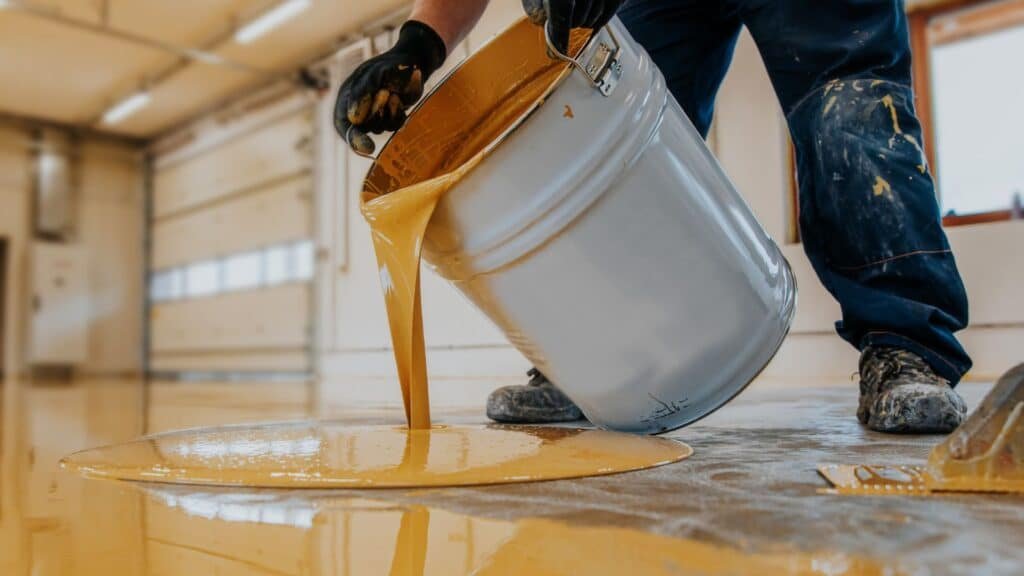
No flooring lasts without proper concrete prep. Professional installers follow these steps:
- Acid etching or diamond grinding: Opens concrete pores for adhesion
- Crack repair: Fills cracks with epoxy or polyurea
- Moisture testing: Ensures slab isn’t too wet for coating
- Degreasing: Removes oil stains that prevent bonding
Skipping prep causes 90% of flooring failures. Always hire experienced installers.
Final Recommendations
For most homeowners: Choose professional polyaspartic or 100% solids epoxy. The $2,000-$5,000 investment lasts 10-20 years with zero maintenance.
For DIY enthusiasts: Interlocking PVC tiles offer the best balance of ease, durability, and cost.
For budget-conscious: Avoid DIY epoxy kits. Instead, use vinyl mats temporarily and save for professional coating.
For home gyms: Rubber tiles provide the best comfort and protection.
Use GarageCalculator.com to estimate your total project: input garage dimensions, select flooring type, and get accurate material + labor costs.
For authoritative concrete preparation standards, consult the American Concrete Institute: https://www.concrete.org/.
Your garage floor is a long-term investment. Choose wisely, prepare properly, and enjoy a beautiful, functional space for decades.