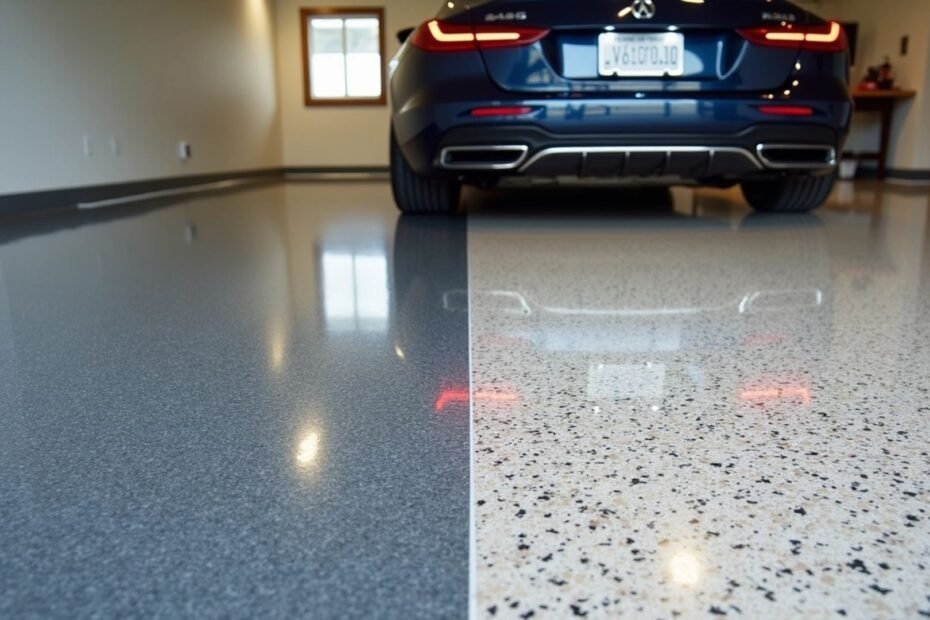
You’ve probably been there – applying a garage floor coating just to watch it peel, crack, or fade away in months. Many homeowners waste hundreds or maybe even thousands of dollars on types of garage floor coatings that don’t hold up. No homeowner should feel the frustration of seeing their investment flake away.
Garage floor coating options flood the market, but not all products live up to their promises. Most retailers’ “best garage floor coating” recommendations often disappoint customers. My years of testing and installing different garage floor coating types have shown me the huge differences in durability, appearance, and value. A more durable garage floor coating might hit your wallet harder now, but it saves both money and headaches later.
This piece will show you which coatings truly last and which ones you should stay away from. We’ll get into everything from simple floor paints to high-end polyaspartic systems. You’ll see their ground performance instead of just marketing claims. Best of all, you’ll understand what makes these coatings last, so you can choose one that you’ll still be happy with years from now.
What makes a garage floor coating last
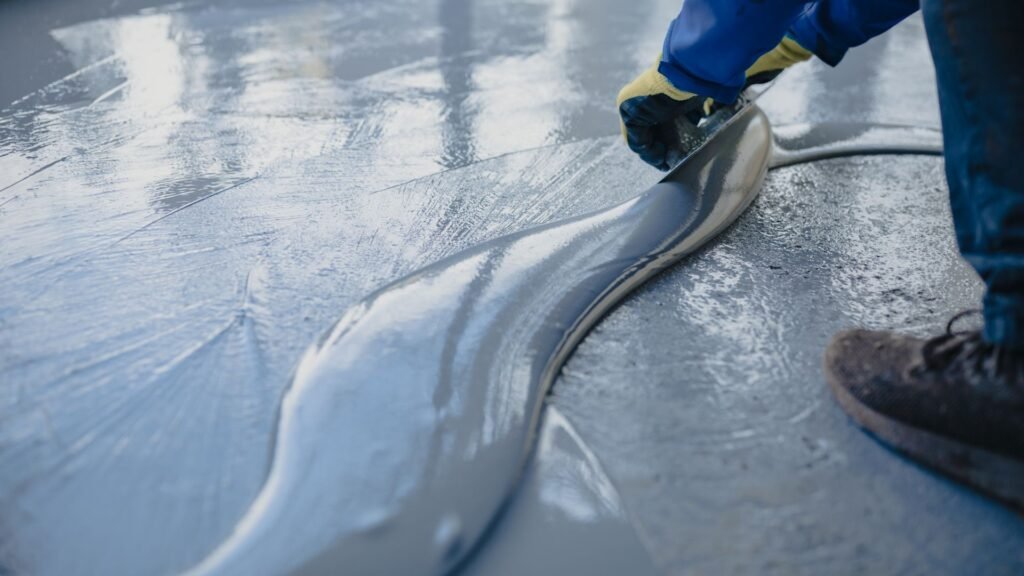
A garage floor coating’s lifespan relies on several key factors that work together to create a lasting surface. These elements help you select a solution that will serve you well for years to come.
Durability and wear resistance
The coating’s thickness substantially affects its longevity. Professional-grade systems apply multiple layers at 20-30 mils thickness. Basic acrylic sealers only reach 2-3 mils thick. This difference in material volume directly determines how long the coating lasts. The advanced polymer technology in polyurea and polyaspartic coatings creates strong cross-linked bonds that withstand harsh conditions. These high-performance coatings endure up to 8,000 cycles on the Taber Abrasion Test before showing notable wear.
Chemical and stain protection
Garage floors face constant exposure to oil, antifreeze, battery acid, and other harmful substances. Chemical resistance varies among coating types. Polyurea shows exceptional resistance to acids, bases, solvents, and petroleum products. Unattended spills can seep through lower-quality coatings and damage both the coating and concrete underneath. A coating with reliable chemical resistance prevents staining and extends your floor’s life.
Bonding strength with concrete
Adhesion strength is a vital factor that determines coating longevity. Coatings with adhesion strength above 900 psi can last 15–20 years. Weaker bonds (below 500 psi) might fail within 2–5 years. Poor adhesion results in peeling, blistering, and delamination. One expert states, “The entire coating system is only as strong as its primer coat”. Diamond grinding or shot blasting creates a strong bond between the coating and the concrete.
UV and temperature resistance
Temperature changes speed up coating breakdown through expansion and contraction cycles. Polyurea’s flexibility helps it handle these movements better than rigid systems like epoxy. UV radiation from sunlight breaks down chemical bonds in coating materials, which leads to color fading, chalking, and failure. Polyurea’s natural elasticity helps it withstand these stresses, particularly during freeze-thaw cycles in colder climates.
Maintenance and reapplication cycles
The best coatings need maintenance to reach their full lifespan potential. Regular cleaning with suitable products extends coating life. Industry data shows that facilities with proper maintenance see 40–50% fewer coating failures over ten years. Reapplication needs vary widely—acrylic sealers need fresh coats every 1-2 years, while high-performance polyurea might only need a topcoat refresh after 10-15 years.
The least durable garage floor coating types
Some garage floor solutions work better than others. You might see attractive prices or marketing promises, but many garage floor coatings don’t last long. Let’s get into four options that tend to fail too soon.
1. Floor paint
Standard floor paints rank among the least reliable garage floor coating types. These products barely protect your concrete with just a thin cosmetic layer that breaks down quickly. Floor paint usually lasts only 2-5 years in normal garage conditions. The job might look simple, but the results always fall short. Paint chips and flakes faster, especially when you have high-traffic areas. The paint will still be highly susceptible to chemical stains, moisture damage, and hot tire pickup, even with proper surface preparation. The biggest problem is that paint just sits on top of concrete instead of creating a molecular bond, which makes it easy to lift and peel.
2. Concrete stain
Concrete stains look great, but don’t hold up well. These products barely sink into concrete and just add color instead of protection. Companies might claim their stains bond permanently, but they don’t protect much at all. Stains typically last 2-5 years before you need to reapply them. Stained concrete stays vulnerable to chemicals, wear and tear, and moisture without a solid topcoat. These stains might make your garage look nice, but they’re nowhere near good enough to protect working garages.
3. DIY sealers and acrylic coatings
Acrylic sealers and DIY coating kits don’t last long either. These thin layers (often just 2-3 mils thick) barely protect against damage. Acrylic coatings typically last 1-5 years before needing a complete do-over. We used these products because they’re cheap and easy to apply, but they don’t last. They wear out quickly under normal garage use and can’t handle many chemicals. These “budget” options often cost more over time when you factor in how often you need to reapply them.
4. Interlocking tiles and mats
Interlocking garage floor tiles deserve a mention here, even though they’re not really coatings. These modular systems made from PVC, polypropylene, or rubber snap together without glue. All the same, they have several durability issues. Moisture can get trapped underneath and make concrete damage worse over time. It also changes shape or comes apart when temperatures change. PVC tiles can be badly by certain vehicle tires.
Mid-range options: Better but not the best
Mid-range garage floor options provide better performance than simple coating solutions without reaching premium durability levels. These options balance cost and longevity but have important limitations you should know about.
5. Epoxy coatings
A chemical reaction between polymer resins and hardeners creates the epoxy coatings’ robust protective layer. The two-part systems bond effectively with properly prepared concrete surfaces and offer better protection than simple coatings. Quality epoxy floors can last 10-20 years with proper installation and maintenance.
Strengths: Epoxy’s remarkable resistance protects against heavy foot traffic, dropped tools, and other hazards. The coating also withstands chemicals, oils, and general stains. You’ll find epoxy in many colors and decorative options that add aesthetic versatility.
Limitations: Application conditions greatly affect epoxy’s performance. Moisture in concrete, high humidity, or wrong temperatures can cause adhesion failures. Some epoxy formulations struggle with hot-tire pickup. The coating yellows with UV exposure and needs 5-7 days to cure before vehicles can safely drive on it.
6. Concrete resurfacers without topcoat
Cement-based overlays refresh worn or damaged concrete surfaces through concrete resurfacing. This method repairs pitting, spalling, and minor cracks effectively without replacing the entire surface.
Strengths: Well-installed concrete resurfacing lasts 8-15 years typically. Proper application makes resurfacers stronger than the original concrete slab, reaching compressive strength ratings around 4,500 psi.
Limitations: Resurfacers fix substrate problems but need a topcoat for protection. Unsealed surfaces remain vulnerable to stains, chemicals, and wear—just like untreated concrete.
The most durable garage floor coating options
Two advanced coating technologies stand out as the best long-lasting garage floor solutions. These premium options deliver exceptional performance where other coatings usually fail.
7. Polyurea coatings
Polyurea is an advanced elastomer that forms when an isocyanate component reacts with a resin blend. This flexible synthetic coating creates molecular bonds with concrete and produces a strong, impact-resistant surface. The coating cures quickly – you can walk on it within 8-12 hours and drive on it after 24-48 hours. It resists chemicals well and protects against oils, gasoline, and harsh cleaning agents. Pure polyurea base coats also work as moisture vapor barriers that stop dampness from weakening adhesion.
8. Polyaspartic coatings
Polyaspartic coatings are modified versions of polyurea with better properties. The main difference shows in UV stability – polyaspartic stays bright and won’t yellow in sunlight. The cure time runs longer (10-45 minutes versus 2-5 minutes for standard polyurea), which makes it easier to apply. Professional installers often use both technologies together: aromatic polyurea as a base coat and aliphatic polyaspartic as a topcoat. This combination creates the best structural integrity and lasting beauty.
Why do they outperform epoxy?
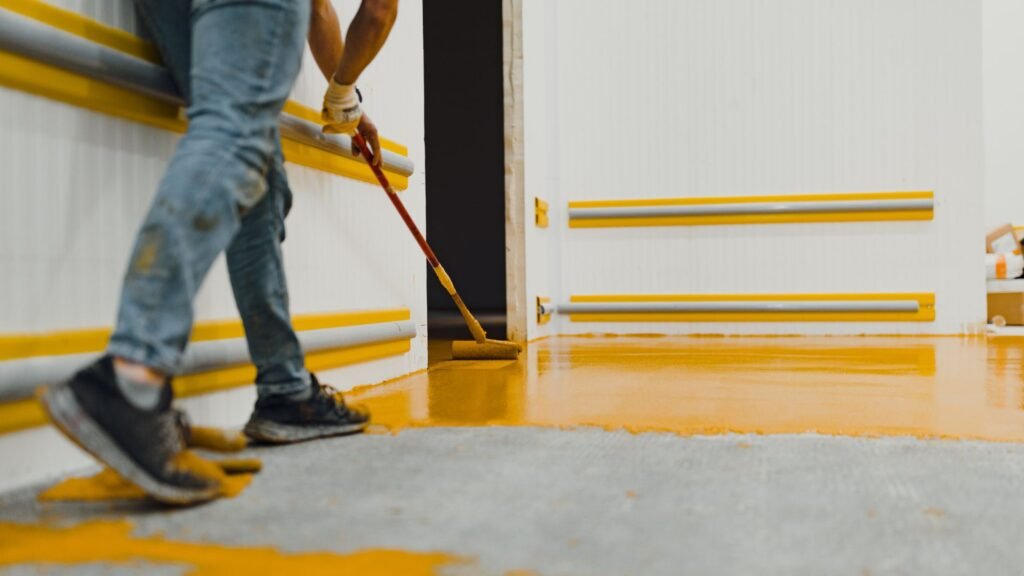
These coatings work much better than epoxy. They flex with concrete’s natural movement and prevent cracks during temperature changes. Hot tire pickup – a common headache with epoxy – never happens with these advanced formulas. The superior bonding strength (4,000+ PSI versus 1,200-1,500 PSI for epoxy) makes them incredibly resistant to wear and tear.
How long do they typically last
A professionally installed polyurea/polyaspartic system lasts 15-20+ years with minimal upkeep. Traditional epoxy might need replacement after just 5-10 years. The longer lifespan makes these systems affordable despite costing 30-40% more upfront than epoxy – they end up 40% cheaper over time.
Professional vs DIY application
You shouldn’t try to apply these coatings yourself. They need special equipment and cure too quickly. Professional installation includes proper surface preparation through diamond grinding, which is crucial for the best adhesion. Professionals also use thicker, industrial-grade materials that work better than DIY kits. Expert application is the only way to get the full benefits and lifespan from these premium coatings.
Conclusion
Choosing the right garage floor coating ultimately comes down to balancing durability against cost. After examining all options, polyurea and polyaspartic coatings clearly stand as the champions for longevity. Though initially more expensive, these advanced coatings actually save money over time because they rarely need replacement or repair.
Certainly, epoxy offers a reasonable middle ground for homeowners on tighter budgets, but remember its limitations regarding UV exposure and hot tire pickup. Meanwhile, budget options like floor paints and acrylic sealers might seem attractively priced at first glance, but generally lead to disappointment and additional expenses through frequent reapplications.
Before making your decision, consider your specific needs carefully. Will your garage face heavy traffic, chemical spills, or extreme temperatures? If so, investing in a professional polyurea/polyaspartic system makes perfect sense. Additionally, factor in the hidden costs of repeated applications that cheaper options require.
Throughout my years of testing various coatings, I’ve witnessed countless homeowners regret choosing based solely on initial price. Therefore, I recommend viewing your garage floor coating as a long-term investment rather than a quick fix. With proper installation and minimal maintenance, premium coatings can protect your concrete for 15-20 years while maintaining their attractive appearance.
Remember, your garage floor works harder than almost any other surface in your home. Consequently, it deserves protection that actually lasts. Whether you choose epoxy, polyurea, or another option, proper surface preparation remains essential for achieving maximum durability and value from whatever coating system you select.