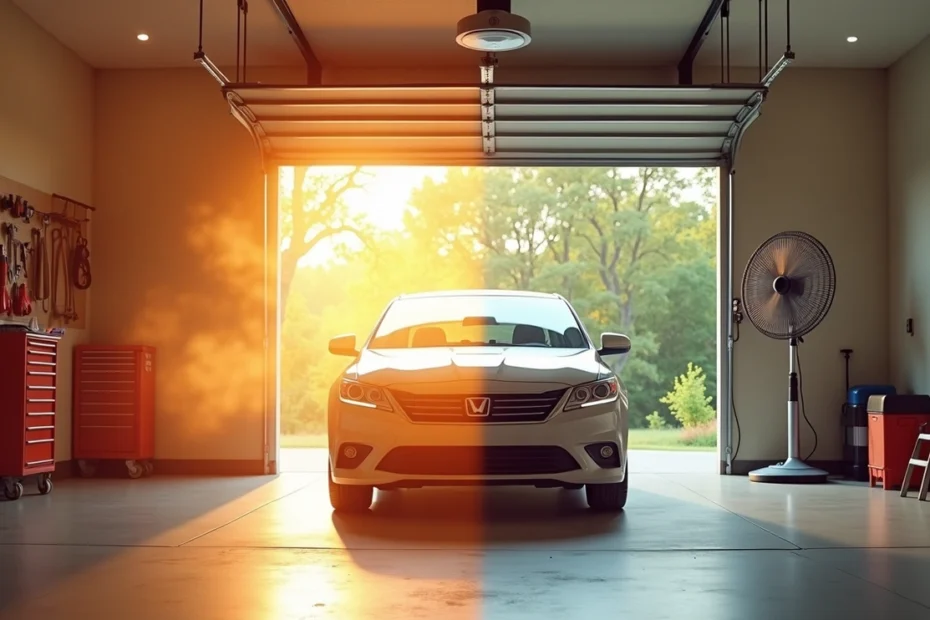
Summer temperatures can make garages unbearably hot—up to 10-18°F (5-10°C) warmer than outside. Anyone who has stepped into their garage on a scorching day understands this discomfort. The problem doesn’t end there.
The excessive heat from attached garages seeps through walls into our homes. This makes our HVAC systems work harder and increases energy costs. The good news is that garage cooling doesn’t need expensive solutions. Many homeowners who control their garage’s temperature see 15–20% lower summer cooling costs.
This piece offers several economical ways to keep your garage cool in summer. Simple solutions like oscillating fans and long-term improvements can make a big difference. These practical ideas will help you beat the heat without spending too much, whether you use your garage as a workshop, gym, or storage space.
Why garages get so hot in summer
Your garage might feel like a sauna during the summer months. Let’s look at what makes your garage heat up before we explore ways to cool it down.
Sun exposure and garage orientation
Your garage’s position affects its temperature. Garages that face west or south get much more direct sunlight, particularly during the hottest parts of the day. The afternoon sun hits west-facing garages hard, which makes internal temperatures soar. Your garage’s exterior color makes a big difference—dark colors soak up more heat than light ones. Some people have seen their garage temperatures climb to 133°F when outdoor temperatures reach 120°F.
Lack of ventilation and insulation
Heat gets trapped inside your garage when there’s not enough airflow. This creates an uncomfortable space that could be dangerous. The problem gets worse in garages without windows because air barely moves. Good airflow does more than cool things down—it helps get rid of pollutants, smells, and dangerous fumes from cars or stored chemicals.
Poor insulation makes everything worse. Uninsulated garage doors let about 90% of outside heat straight into your garage. Bare exterior walls, block walls in particular, let heat pass through easily. Homes with attached garages face extra challenges:
- Heat moves through shared walls into living areas
- Your AC works overtime
- You pay more as your HVAC system tries to keep up
Heat from parked vehicles
Just parked your car? It’s like having a big metal heater in your garage. Car engines keep giving off heat well after you turn them off. One car might raise the temperature by one degree for about 30 minutes. Several cars or frequent trips in and out can make this heat add up.
Your garage might also house other equipment that generates heat. Old refrigerators not only create heat but also work harder in hot spaces. These heat sources inside, plus all the outside factors, turn your garage into an oven during the summer months.
8 budget-friendly garage cooling solutions
Want to cool your garage without breaking the bank? Here are eight simple solutions that can lower your garage temperature and save you money.
1. Park your car outside after driving
Your car works like a big heater even after you shut it off. A car that you just drove will radiate heat for 20-30 minutes. Your garage stays cooler when you let your car cool down in the driveway or under shade first. This stops extra heat from building up in your enclosed space.
2. Use your garage at the right time
The time you pick to use your garage is vital. The space stays cool during morning hours until about 10-11 AM. The hottest time hits between 3-6 PM, so you should avoid using it then. You can let out hot air by opening your garage door for a few minutes before you need to use it.
3. Add fans for better airflow
Fans don’t cool the air, but they create a breeze that makes you feel cooler. You’ll get the best results with one fan near the garage door pointing in and another fan up high pointing out. This setup creates a wind tunnel – cool air comes in through the bottom fan while hot air exits from the top. Shop fans and pedestal fans move more air than regular house fans.
4. Install passive roof or wall vents
Natural air movement happens through passive ventilation as hot air rises. Ridge vents, roof turbines, or wall vents on opposite walls let hot air escape on its own. These affordable options need no power but keep air moving all the time.
5. Use a dehumidifier to reduce humidity
A humid garage feels hotter than it is. A dehumidifier pulls moisture from the air to make the space more comfortable and a bit cooler. This works great in humid areas and helps protect your tools and stored items from moisture damage year-round.
6. Choose lighter paint colors for doors and walls
Dark surfaces soak up to 90% of the sun’s heat. A fresh coat of light, reflective paint on your garage door or exterior walls can cut down heat absorption by a lot. You only pay once for this fix, and it can drop inside temperatures several degrees.
7. Declutter to improve air circulation
A cluttered garage does more than look messy—it stops air from moving freely. Heat gets trapped between stacked boxes and large items. Air flows better when you clear paths, use wall storage, and keep the floor clear. This reduces hot spots and makes the whole space more comfortable.
8. Replace or add weatherstripping
Good weatherstripping blocks gaps around your garage door to keep hot air out and cool air in. This flexible material seals out the elements and helps control the temperature inside. Check the seals around the door’s edges and the rubber strip at the bottom (called an astragal). Better seals also keep out moisture, dirt, and pests.
When to consider low-cost air conditioning options
Sometimes passive cooling methods just don’t cut it, and you need something stronger to curb summer heat. Several budget-friendly air conditioning options can help in these situations.
Window AC units for small garages
Window air conditioners are an economical solution for garages that have suitable window access. These units provide good cooling power for small to medium garages and cost less than other cooling systems. Modern window ACs like the Midea U-Shaped model come with advanced inverter technology and operate at just 42 decibels in Eco mode. The biggest problem? You’ll need a suitable window, and the unit blocks natural light.
Portable ACs with venting access
Portable units excel in flexibility and mobility. These units need exhaust hoses that vent through a window or small opening without permanent installation. The SereneLife SLACHT108’s 4-in-1 functionality includes cooling, heating, dehumidifying, and fan modes, making it useful year-round. The unit’s convenience comes at a price, though – portable ACs have nowhere near the cooling power of other options.
Energy-efficient mini-split systems
Mini-splits stand as the gold standard for garage cooling. A small wall opening connects the outdoor compressor to an indoor air handler in these ductless systems. ENERGY STAR-certified mini-splits need higher upfront costs but use up to 60% less energy than standard electric heating. Many units deliver excellent performance even in extreme temperatures and provide both heating and cooling capabilities.
Insulation upgrades that pay off
Garage insulation gives you one of the best returns compared to other home improvements. You’ll see benefits all year round, unlike temporary cooling fixes that don’t last.
Insulating garage doors and walls
The garage door works as your space’s fourth wall. Your insulation efforts won’t work well if you only insulate the walls and skip the door. You need to tackle both parts to get the most out of your investment. An uninsulated door creates a weak spot that even the best-insulated walls and ceiling can’t fix. The walls need insulation too – you can pick from rigid foam boards, spray foam, or fiberglass batts based on what you can spend and handle yourself.
DIY garage door insulation kits
Ready-made kits are a great way to get affordable solutions. These kits come with everything you need – pre-cut rigid foam panels, vinyl-faced fiberglass, or reflective foil layers plus fasteners. The Owens Corning kit (about R-8) and Cellofoam kit (around $74) are popular choices. These DIY options give you R-values between R-4 and R-8, which work well in most climates.
Benefits of insulated garage doors
The EPA says good insulation and air sealing can reduce heating and cooling costs by up to 15%. Your insulated garage also keeps vehicles safe from extreme temperatures. It cuts down humidity and noise while boosting your home’s value. Factory-insulated doors usually come with R-values from R-9 to R-19+. They seal better against the weather and last longer, too.
Conclusion
You don’t need to empty your wallet to keep your garage cool in summer. This piece explores budget-friendly ways that work to reduce garage temperatures. Your garage does more than store vehicles – it can be your workshop, gym, or storage space. Cool temperatures are vital for both function and energy efficiency.
A few simple changes can make a big difference. Park hot vehicles outside, use fans the right way, or plan garage activities when it’s cooler. On top of that, it helps to have proper ventilation, paint the walls light colors, and clear out clutter. These changes need little money but can cool things down a lot.
When the heat gets extreme, window units or portable air conditioners can give you quick relief without major changes. But investing in insulation and weatherstripping pays off over time. These improvements can reduce your overall energy costs by 15-20% and protect your stuff from harsh temperatures.
Using even a few of these tips creates a bigger impact together. Each change adds up to reshape the scene in your garage without costly cooling systems. Don’t suffer through another hot summer. These practical solutions can help you enjoy your garage all year long. Without doubt, these simple improvements will help your comfort, energy bills, and home value.