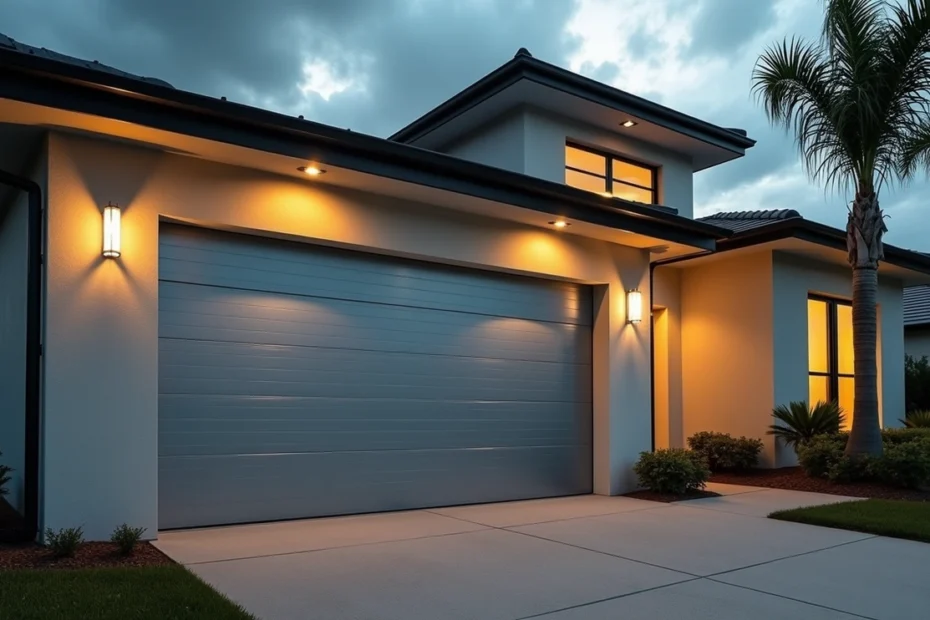
Homeowners in storm-prone areas must prioritize hurricane-proof garage doors as a crucial investment. Your garage door becomes your home’s most vulnerable point during powerful storms since it’s the largest entry point in your home’s defense system.
Steel doors are the strongest option available because they resist warping, cracking, and weather-related deterioration. On top of that, insulated garage doors maintain stable indoor temperatures and cut down energy costs as seasons change. Regions with frequent storms need impact-resistant materials that provide vital protection. Each material suits specific climates – to cite an instance, fiberglass doors perform better in coastal areas because they resist saltwater corrosion.
This complete guide will help you understand what makes garage doors truly hurricane-resistant. You’ll learn about the best storm-protection materials and essential features while getting a clear picture of costs and buying options. The information here will guide your decision-making process, whether you plan to build a new home or upgrade your current garage door. You’ll find the right balance between safety, durability, and your budget.
Understanding Hurricane-Proof Garage Doors
Your garage is the most vulnerable entry point during severe weather events. FEMA reports that garage door failure leads to structural damage during hurricanes. Wind entry through the garage door causes about 80% of residential hurricane damage.
What makes a garage door hurricane-resistant?
Hurricane-proof garage doors are more than just stronger versions of standard doors. They’re detailed defense systems with several reinforced components that work together to maintain structural integrity. These specialized doors include:
- Reinforced tracks made from thicker steel to prevent bending under pressure
- Heavy-duty springs and wind lock guides to maintain door stability
- Reinforcement posts and bracing systems for additional strength
- Upgraded hardware, including stronger rollers, hinges, and brackets
The design keeps the door intact during extreme conditions and protects your home from catastrophic damage. Quality hurricane doors are “storm-ready” without extra setup, unlike traditional doors that need manual preparation before storms.
Wind load ratings and impact resistance
Wind load ratings show how well a door can withstand specific wind pressures. These ratings range from W1 (winds up to 90 mph) to W9 (winds exceeding 150 mph). Your location determines the rating you need—coastal regions need higher ratings than inland areas.
Impact resistance plays an equally crucial role. Hurricane-rated doors must pass rigorous tests. A 9-pound 2×4 board launched at 50 feet per second (34 mph) simulates flying debris. This “missile testing” proves the door can withstand severe impacts. South Florida and other high-velocity hurricane zones require the highest rating, Missile-D.
What are garage doors made of for storm protection?
Steel, aluminum, and fiberglass are the main materials in hurricane-resistant doors. Steel offers the best strength and value, making it the most popular choice. Aluminum doors with corrosion-resistant coatings work best in coastal areas to fight salt air damage.
Fiberglass options can bounce back from hits that would damage metal doors. The material choice matters less than proper installation. Professionals who know local building codes must install these doors to ensure maximum protection.
Best Materials for Hurricane-Prone Areas
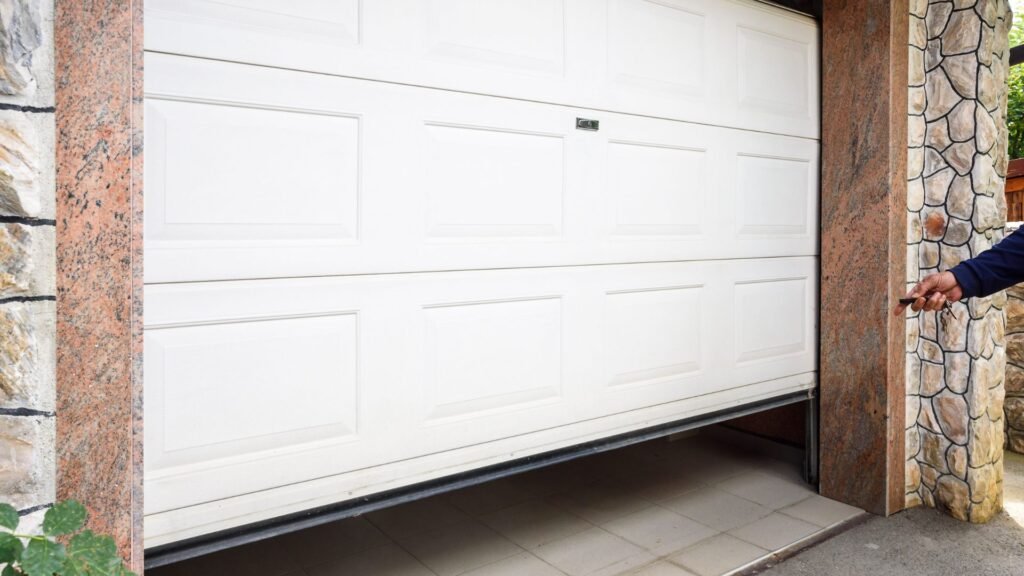
Picking the right material for your hurricane-proof garage doors is a vital decision. Each option gives you a different mix of strength, durability, and visual appeal. Here are the best options you can choose if you live in storm-prone areas.
Steel: Strength and affordability
Steel doors reign as the most popular choice to protect against hurricanes. They give you exceptional strength against high winds and flying debris. A double door unit costs between $1,200-$7,500, which makes them budget-friendly considering their protective qualities. Steel back-insulated options resist impact well and give good insulation values. These days, steel doors come in many designs—including realistic wood-grain finishes—while keeping you safe.
Aluminum: Lightweight and rust-resistant
Aluminum doors work great for coastal homes. They never rust and can handle salt air exposure that damages other materials. The price runs a bit higher ($1,400-$7,800), but aluminum’s light weight makes it perfect for modern designs, especially ones with full-view impact-resistant glass panels. These doors might dent more easily than steel in extreme weather.
Composite: Durable and low-maintenance
Composite doors mix beauty with strength. They look like wood but need much less care. You’ll pay between $1,500-$8,000 for doors that won’t warp, crack, or rot—perfect for Florida’s humid coastal weather. They insulate well, which adds value beyond storm protection. You might find fewer hurricane-rated options compared to steel.
Wood: Esthetic appeal with limitations
Wood doors look naturally beautiful but need more upkeep. Premium hardwoods like oak and cedar can be built custom to handle major storms. Prices range from $2,400-$10,000+, and quality wood doors get special sealing and finishing to keep moisture out. These doors last for decades with proper care. You can find Florida Building Code-approved wood doors from many makers now, so you don’t have to choose between style and safety.
Key Features to Look For
The right material alone isn’t enough for hurricane-proof garage doors. Specific hardware components create a detailed defense system that protects against extreme weather, high winds, and flying debris.
Reinforced tracks and hinges
A hurricane-resistant door needs thicker, heavy-duty tracks—known as 0.83 tracks. These resilient tracks won’t bend or buckle under intense pressure. The best doors come with 11-gauge commercial hinges that keep rollers firmly in place. Wind-rated systems need extra track anchors and mounting points to spread loads across your home’s structure.
Heavy-duty springs and rollers
Storm-resistant doors need upgraded springs to handle the extra weight and pressure from reinforced panels. Steel-reinforced rollers with ball bearings make the operation smoother and better resist wind. These parts work as a team to keep the door on track during high-pressure events.
Insulation and R-value considerations
Insulation does more than control temperature:
- Higher R-values (R-13 to R-20+) mean better thermal efficiency
- Polyurethane foam insulation performs twice as well as polystyrene
- A well-insulated door can reduce energy loss by up to 70%
The insulation helps reduce noise and makes the door structure more rigid during storms.
Weather seals and bottom brackets
Good weatherstripping blocks wind-driven rain first. Bottom seals made for flood conditions work better than standard weather protection. A properly sealed door keeps water out while staying strong under pressure.
Smart locking systems for added security
The LiftMaster 841LM automatic deadbolt system locks and unlocks with each door cycle. UL-tested locks resist tampering and high winds better. Many smart systems let you check your door’s security through mobile apps, even after evacuation.
Cost and Buying Considerations
You need to understand the complete financial picture when you protect your garage from hurricanes. This investment will make your home safer and might even lower your insurance premiums.
Hurricane-proof garage doors cost breakdown
A typical hurricane garage door will set you back about $6,000. The price ranges from $900 to $10,000 based on size, material, and wind rating. You’ll pay $1,200-$6,000 for single doors, while double doors cost between $2,000-$10,000 after installation. Your choice of material affects the price a lot:
- Steel: $1,100-$6,750 (most affordable option)
- Aluminum: $1,200-$6,950 (corrosion-resistant)
- Fiberglass: $1,400-$6,800 (impact-resistant)
- Vinyl: $900-$4,700 (low maintenance)
- Wood: $2,400-$10,500 (premium esthetic)
Where to find hurricane-proof garage doors for sale
You’ll find hurricane-rated models from most major garage door manufacturers. Look for wind load stickers on doors that suggest their specific rating. Your local building codes might require specific ratings based on your area’s vulnerability. Dealers in coastal areas usually stock suitable options and can special-order doors that meet local requirements.
Balancing budget with durability and safety
Better protection comes with higher WindCode ratings (W1-W9), but it gets pricey. Your home’s location matters – properties near open water (Category D) need the strongest reinforcement. Hurricane doors might seem expensive at first, but they’re worth it. They protect your property, might reduce insurance costs, and give you peace of mind.
Installation and permit costs in coastal zones
The door isn’t your only expense. Here’s what else you need to budget for:
- Installation labor: $250-$800, depending on door size
- Removal/disposal of old door: $50-$300
- Permits: $50-$100
- Garage door opener: $150-$300
- Optional windows: $300-$500
- Optional insulation: $300-$1,000+
Most coastal areas require permits to ensure proper installation and code compliance. Building codes have gotten stricter after expensive hurricane damage in recent years.
Conclusion
Hurricane-proof garage doors are one of the most important investments you can make if you live in a storm-prone area. This piece explores how these specialized doors serve as a vital defense system against extreme weather conditions. Steel stands out as the strongest and most economical material choice. Aluminum, composite, and wood alternatives each bring their own benefits based on your location and requirements.
You should look for reinforced tracks, heavy-duty springs, and proper wind load ratings when choosing a hurricane-resistant garage door. Quality weather seals and smart locking systems add extra protection during severe storms. The cost ranges from $900 to $10,000—but the long-term benefits definitely make it worth the investment.
These specialized doors give you peace of mind during hurricane season. You won’t need to rush around securing your home before a storm hits. A well-installed hurricane-proof garage door stays ready all year. This preparation protects your property from devastating damage and might even lower your insurance premiums.
Regular garage doors are extremely vulnerable during harsh weather. A failed garage door often causes structural damage throughout the home. That’s why hurricane-rated protection makes perfect sense for coastal residents. The main goal stays the same whether you pick a practical steel door or an attractive wood option—keeping your home and family safe during nature’s strongest storms.
Hurricane-proof garage doors are more than just another home upgrade—they’re vital safety equipment if you live in a vulnerable region. Your garage door might not be the most exciting improvement, but it could be the best investment you make for hurricane season.