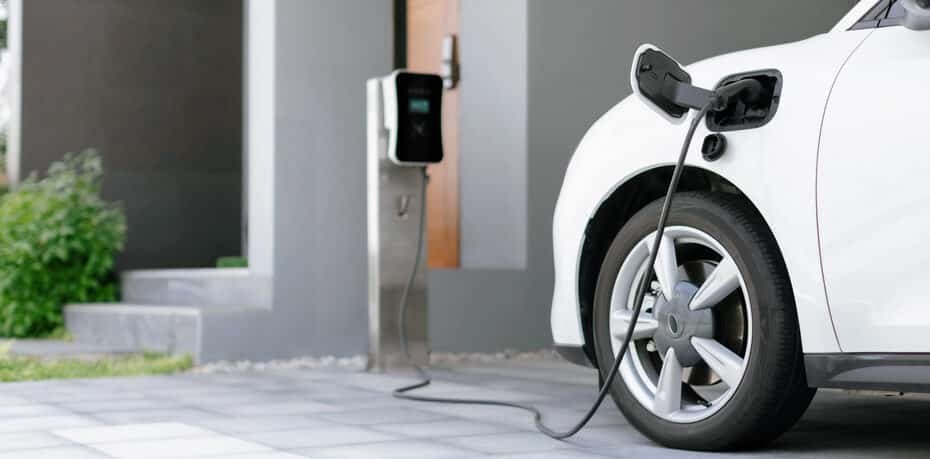
If you’re among the growing number of Americans making the switch to electric vehicles, your garage is about to become far more than a parking space. It’s evolving into your home’s energy hub, charging station, and mobility command center. With EV sales continuing their upward trajectory and new electrical code requirements taking effect in 2026, now is the ideal time to understand what’s involved in transforming your garage into an EV-ready space.
The transition to electric vehicle ownership brings significant changes to how you use and design your garage. Unlike traditional vehicles that you fuel elsewhere, your EV will spend hours plugged in at home, making your garage infrastructure a critical component of your daily routine. This shift requires thoughtful planning around electrical capacity, charging equipment placement, and future-proofing your space for evolving technology.
Understanding EV Charging Levels and Requirements
Before diving into installation costs and logistics, you need to understand the two primary home charging options available to EV owners.
Level 1 charging uses a standard 120-volt household outlet and requires no special installation. While convenient and inexpensive, this method is painfully slow, typically adding only 3-5 miles of range per hour of charging. For most EV owners, this means 20+ hours to fully charge a depleted battery, making it practical only for plug-in hybrids or drivers with very short daily commutes.
Level 2 charging operates on 240 volts (the same power as your electric dryer) and represents the gold standard for home EV charging. These systems deliver 25-30 miles of range per hour, allowing you to fully charge most EVs overnight in 4-8 hours. The dramatically improved charging speed makes Level 2 the overwhelmingly preferred choice for homeowners serious about EV ownership.
The electrical requirements for Level 2 charging are substantial. Most installations require a dedicated 40-50 amp circuit, though some high-powered chargers demand even more capacity. Your home’s electrical panel must have sufficient available capacity to handle this additional load without overloading the system or requiring expensive upgrades.
The Real Cost of EV Charger Installation
Installation costs vary dramatically based on your garage’s existing electrical infrastructure and layout. Understanding these cost drivers helps you budget appropriately and avoid unpleasant surprises.
The total cost of installing a home EV charger ranges from $1,200 to $4,000 for most homeowners, with the national average falling around $1,500-$2,000 for a straightforward installation. However, this range masks significant variation based on several critical factors.
Simple installations ($300-$800) occur when you already have a 240-volt outlet near your parking spot, your electrical panel has adequate spare capacity, and minimal new wiring is required. These ideal scenarios represent the minority of installations but offer the most cost-effective path to home charging.
Typical installations ($1,200-$2,000) involve running new dedicated wiring from your electrical panel to your charging location, installing a new circuit breaker, mounting the charging unit, and obtaining required permits. This category covers most garage installations where the electrical panel is located relatively close to the parking area.
Complex installations ($2,500-$4,000+) become necessary when your electrical panel lacks sufficient capacity and requires a costly upgrade, when your garage sits far from the main panel requiring extensive wiring runs, when outdoor installation demands weatherproof equipment and buried conduit, or when your property requires trenching through driveways or landscaping. Panel upgrades alone typically add $1,000-$2,000 to the total project cost.
The distance between your electrical panel and charging location proves particularly significant. Electricians charge for materials and labor based on the wire length required, and running conduit through finished walls, around obstacles, or underground to detached garages adds substantial complexity. Homeowners with detached garages often face the highest installation costs due to these distance challenges.
Electrical Panel Capacity: The Hidden Bottleneck
Many homeowners discover their existing electrical panel lacks the capacity to support EV charging without upgrades. This issue affects older homes more frequently but can impact newer construction as well.
Standard residential electrical panels provide 100, 150, or 200 amp service to the entire home. Your EV charger will draw 40-50 amps continuously for several hours each night, representing a significant portion of your total capacity. When you factor in simultaneous electrical demands from air conditioning, electric heating, major appliances, and other household loads, many panels simply cannot accommodate an EV charger without upgrades.
A licensed electrician can perform a load calculation to determine whether your panel has adequate spare capacity. This assessment examines your existing electrical usage patterns, identifies peak demand periods, and calculates whether adding EV charging would overload your system. Some homeowners benefit from load management systems that intelligently distribute available power between the EV charger and other major appliances, avoiding the need for full panel upgrades.
Panel upgrades transform a straightforward EV charger installation into a major electrical project. Beyond the direct costs, panel upgrades may require coordination with your utility company, additional permits, and extended project timelines stretching from 2-6 weeks total.
Navigating Permits and Code Compliance
EV charger installation requires electrical permits in most jurisdictions, adding time and administrative requirements to your project. While your installer typically handles permit applications, understanding these requirements helps you anticipate timelines and avoid delays.
Permit applications generally require electrical load calculations demonstrating that your system can safely handle the additional load, installation diagrams showing equipment placement and wiring routes, proof of certified installer credentials, and equipment specifications confirming that your chosen charger meets applicable safety standards.
Processing times vary dramatically by location. Some municipalities have streamlined EV charging permits, recognizing their importance for transportation electrification and processing applications within days. Others still treat them like major electrical upgrades requiring extensive engineering review, resulting in approval timelines stretching weeks or even months.
The 2026 National Electrical Code has been published with updated provisions affecting EV charging installations. These code updates reflect evolving safety standards and installation best practices developed as residential EV charging has become more common. Working with experienced, certified electricians ensures your installation meets current code requirements and passes inspection on the first attempt.
Optimal Charger Placement and Garage Layout
Strategic placement of your EV charger affects both installation costs and daily usability. Several factors should influence your decision about where to mount the charging unit.
Proximity to the electrical panel represents the single most cost-effective consideration. Installing your charger on the garage wall closest to your electrical panel minimizes wiring runs, reduces materials costs, and lowers labor expenses. Even a few feet of additional distance can add hundreds of dollars to the project through increased wire costs and installation complexity.
Vehicle positioning must accommodate your charging port location. Different EV manufacturers place charging ports on different sides of the vehicle (driver’s side, passenger’s side, or front), and your charger placement should allow convenient cable routing without stretching across walkways or creating trip hazards. Measure your parking position carefully and consider how your charging cable will reach the port with slack to spare.
Cord management prevents cable clutter and protects the charging cable from damage. Wall-mounted cord holders keep the cable organized when not in use, while cable length selection affects how much excess you’ll need to manage. Most Level 2 chargers come with 18-25 foot cables, providing ample reach for typical garage parking situations.
Future flexibility suggests planning for multiple vehicles if your household might add a second EV in coming years. Some homeowners install conduit and wiring for a second charging station even if they only mount one charger initially, substantially reducing future installation costs when they’re ready to add the second unit.
Hardwired vs. Plug-In Chargers
EV charging units come in two primary installation types, each with distinct advantages for different situations.
Hardwired chargers connect directly to your electrical system without a plug. These installations offer a cleaner appearance, eliminate any concerns about plug connections working loose, and may be required by some local codes. However, hardwired units cost slightly more to install due to additional labor, and they cannot be easily relocated if you move or want to change your garage layout.
Plug-in chargers connect to a NEMA 14-50 outlet (similar to electric dryer outlets) installed by your electrician. This approach often costs less to install since adding an outlet is simpler than hardwiring, provides flexibility to take the charger with you if you move, and allows you to use the outlet for other 240-volt tools or equipment when not charging. The trade-off is a slightly less polished appearance and a plug connection that could theoretically work loose over time.
For most homeowners, plug-in chargers offer superior flexibility at lower initial cost. The ability to relocate or upgrade your charging equipment without calling an electrician provides valuable long-term adaptability as EV charging technology continues evolving.
Smart Charging Features Worth Considering
Modern EV chargers offer far more than simple power delivery. Smart charging features add convenience, optimize electricity costs, and integrate with your home’s broader technology ecosystem.
WiFi connectivity enables remote monitoring and control through smartphone apps. You can check charging status, receive notifications when charging completes, and troubleshoot issues without visiting the garage. Some utilities offer time-of-use electricity rates with significantly lower prices during off-peak hours (typically overnight), and WiFi-enabled chargers can automatically schedule charging to take advantage of these savings.
Load management capabilities become particularly valuable for homes with limited electrical capacity. Advanced chargers can communicate with your home energy management system, automatically reducing charging current when other major appliances are operating and ramping back up when capacity becomes available. This intelligent load balancing can eliminate the need for expensive panel upgrades.
RFID access control allows you to restrict charger usage, useful for preventing neighbors or guests from using your charger without permission. While less critical for chargers inside locked garages, this feature adds security for outdoor installations or shared charging situations.
Power level adjustability lets you dial back charging current when needed. Some chargers allow you to select between different amperage levels, providing flexibility to charge more slowly during high-demand periods or when using other garage tools that share electrical capacity.

Integrating EV Charging into Your Garage Design
EV charging infrastructure represents just one element of the broader garage transformation happening in 2026. The most successful garage designs integrate charging seamlessly with storage, organization, lighting, and multi-purpose functionality.
Modern garage design treats wall space as premium real estate, with vertical storage systems maximizing floor space availability. Slatwall panels, rail systems, and modular organization components allow you to configure your garage around your EV charging setup while maintaining clean sight lines and easy vehicle access.
Lighting upgrades complement EV charging installations, particularly for evening charging sessions. LED lighting systems with motion sensors provide excellent visibility when plugging in after dark while conserving energy when the garage is unoccupied. Under-cabinet task lighting in work zones and layered lighting plans create functional, inviting spaces that go far beyond basic car storage.
Climate control considerations become more relevant as your garage transforms into an active daily-use space. Insulated garage doors, improved weather sealing, and ventilation systems enhance comfort and protect both your vehicle and charging equipment from temperature extremes. While EV chargers tolerate wide temperature ranges, extreme heat can reduce charging efficiency and extreme cold affects battery performance.
Maximizing Your Investment: Incentives and Rebates
Federal, state, and utility incentive programs can significantly offset the cost of EV charger installation, though availability and amounts vary by location.
The federal government has offered tax credits for EV charging equipment installation in recent years, though program details change based on current legislation. Many states maintain additional rebate programs specifically targeting residential EV charging infrastructure, with some programs covering 50% or more of installation costs up to specified maximums.
Utility companies increasingly recognize that residential EV charging represents significant new electrical demand and often provide installation rebates to customers adding Level 2 charging equipment. These utility programs may also offer special time-of-use electricity rates that dramatically reduce the cost of charging during off-peak hours, typically saving hundreds of dollars annually on electricity costs.
Research available incentives before finalizing your installation plans, as some programs require pre-approval or registration before work begins. Your installer may be familiar with local incentive programs and can help navigate application requirements.
Timeline and Project Planning
Realistic project timelines help you plan your EV purchase and charging infrastructure installation in the right sequence.
Initial electrical assessment by a licensed electrician takes 1-2 hours and provides critical information about your panel capacity, recommended charger placement, and estimated costs. This assessment should happen before you purchase a charging unit, ensuring you select equipment compatible with your electrical system.
Permit applications add 1-2 weeks in most jurisdictions, though faster and slower processing times occur depending on location. Your installer should provide realistic estimates based on their experience with your local permitting authority.
Actual installation work typically requires 2-8 hours for straightforward projects, with more complex installations potentially stretching to full days of work. Panel upgrades significantly extend project duration and may require coordination with your utility company for temporary service disconnection.
Final inspection by municipal building officials occurs after installation completion, verifying that work meets current electrical codes and safety standards. Only after passing inspection can you begin using your charging equipment for regular vehicle charging.
Future-Proofing Your Garage Investment
The electric vehicle landscape continues evolving rapidly, with new charging standards, higher-power charging capabilities, and expanded vehicle options arriving regularly. Smart garage planning anticipates these changes rather than building for today’s requirements alone.
Installing larger capacity wiring than your current charger requires costs very little extra during initial installation but provides valuable flexibility for future upgrades. Running 60-amp capable wiring while installing a 40-amp charger adds minimal expense today but allows you to upgrade to higher-power charging equipment later without new wiring runs.
Planning conduit pathways for potential second charging stations makes sense for households likely to add another EV in coming years. Installing empty conduit during your initial project costs far less than cutting through walls or trenching yards for a second installation years later.
Solar panel integration represents another important future-proofing consideration. Many homeowners pair EV charging with home solar installations, using roof-generated electricity to charge vehicles during daylight hours. Coordinating your EV charging installation with solar plans ensures compatibility and optimal system design.
Taking the Next Step
Transforming your garage into an EV-ready charging station requires careful planning, realistic budgeting, and selection of qualified professionals. Start with an electrical assessment to understand your current capacity and installation requirements, then gather quotes from multiple licensed electricians with specific EV charging experience.
The investment in proper EV charging infrastructure pays dividends through years of convenient home charging, reduced fuel costs compared to gasoline vehicles, and increased home value as EV adoption accelerates. Your garage becomes a genuine utility hub rather than simple storage space, positioning your home for the transportation future arriving right now in 2026.