A new septic system costs about $3,600 to $12,500 in 2026, with most homeowners paying around $8,000. Alternative systems for poor soil can run $15,000 to $23,000. Enter your home and site details below to estimate the tank, drain field, testing and permits, and compare every system type.
Septic System Cost Calculator
1Your home and project
2Site and extras
Cost breakdown
| Item | Cost |
|---|---|
| Total | $0 |
Compare system types
| System | Total | Yearly upkeep |
|---|
How Much Does a Septic System Cost in 2026?
Most homeowners pay $3,600 to $12,500 for a new septic system, with a national average of about $8,000. A complete conventional system for a three-bedroom home, including the perc test, design, permits and risers, comes to about $10,400. If your soil fails a perc test and you need a mound, aerobic or other alternative system, plan on $15,000 to $23,000.
| System type | 2 bedrooms | 3 bedrooms | 4 bedrooms | 5 bedrooms |
|---|---|---|---|---|
| Conventional gravel drain field | About $9,270 | About $10,400 | About $11,180 | About $12,070 |
| Chamber drain field | About $9,980 | About $11,310 | About $12,260 | About $13,310 |
| Sand filter | About $14,880 | About $16,910 | About $18,450 | About $20,050 |
| Drip distribution | About $15,240 | About $17,360 | About $18,990 | About $20,670 |
| Aerobic treatment unit | About $16,320 | About $17,200 | About $18,640 | About $20,580 |
| Mound system | About $16,310 | About $18,730 | About $20,620 | About $22,530 |
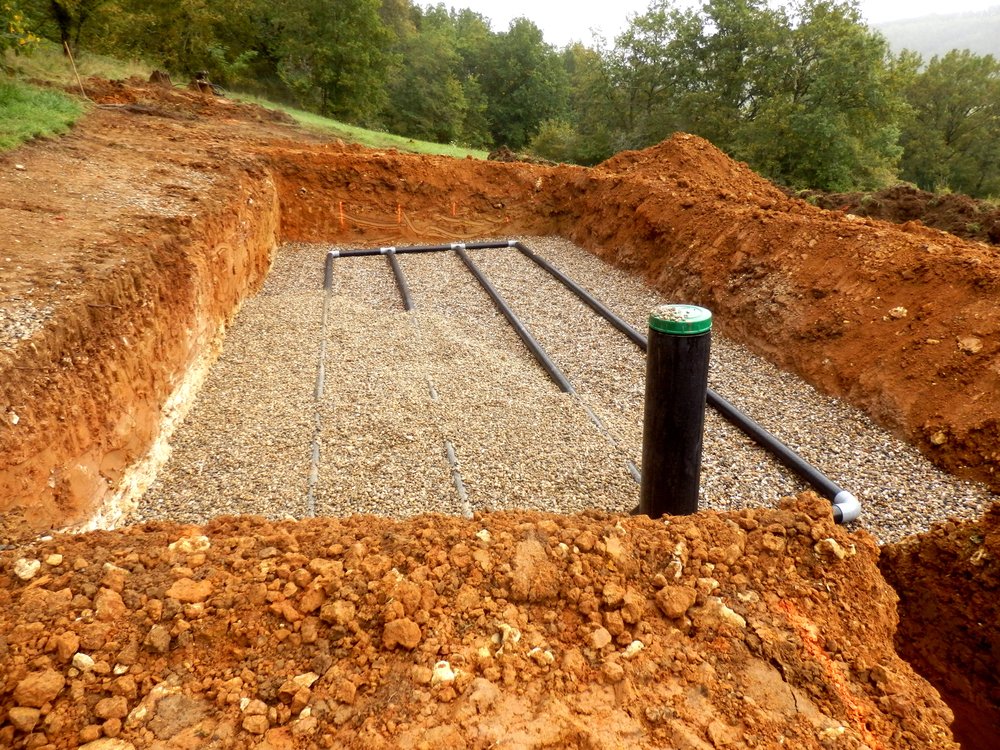
Types of Septic Systems
You usually don’t get to pick your system freely. A soil evaluation and perc test show how fast your ground absorbs water, and the local health department uses those results to decide which designs it will approve.
Conventional Gravel Drain Field
The simplest and cheapest system. Wastewater flows from the tank into perforated pipes laid in gravel trenches, and the soil does the final treatment. It needs good, well-draining soil and enough room for the field.
Chamber Systems
Chambers replace gravel with open-bottom plastic arches. They cost a little more than gravel but are lighter and quicker to install, and many states allow a smaller field footprint. They are a good fit where gravel is expensive or hard to get onto the site.
Mound Systems
Mounds are built above ground with layers of sand and fill where the soil is too shallow, the bedrock is close or the water table is high. A pump doses the mound, so you also pay for electricity and occasional pump replacement.
Aerobic Treatment Units
An aerobic unit pumps air into the tank so bacteria break down waste more completely. The cleaner effluent allows a smaller drain field, which helps on small lots or near lakes. These systems need power and a service contract, which typically runs $300 to $600 a year.
Drip Distribution and Sand Filters
Drip systems spread effluent through small tubing just below the surface, and sand filters add a treatment box between the tank and the field. Both are used for difficult sites and both cost more to build and maintain than a conventional field.
Septic Tank Cost by Size and Material
Tanks are sized by the number of bedrooms, because bedrooms predict how many people will live in the home. Your local code sets the minimum size.
| Bedrooms | Typical tank size | Tank only |
|---|---|---|
| 1 | 500 – 750 gallons | $500 – $1,200 |
| 2 – 3 | 750 – 1,000 gallons | $700 – $1,500 |
| 4 | 1,000 – 1,250 gallons | $900 – $1,600 |
| 5 – 6 | 1,250 – 1,500 gallons | $1,200 – $2,500 |
- Concrete is the most common choice. It is heavy, durable and can last 40 years or more, but it can crack and needs a truck with a crane to set.
- Plastic (polyethylene) costs about 10% less and is light enough to carry onto tight or remote sites. It can shift or float in a high water table if it isn’t anchored.
- Fiberglass resists cracking and corrosion and is lighter than concrete, but it usually costs about 25% more.
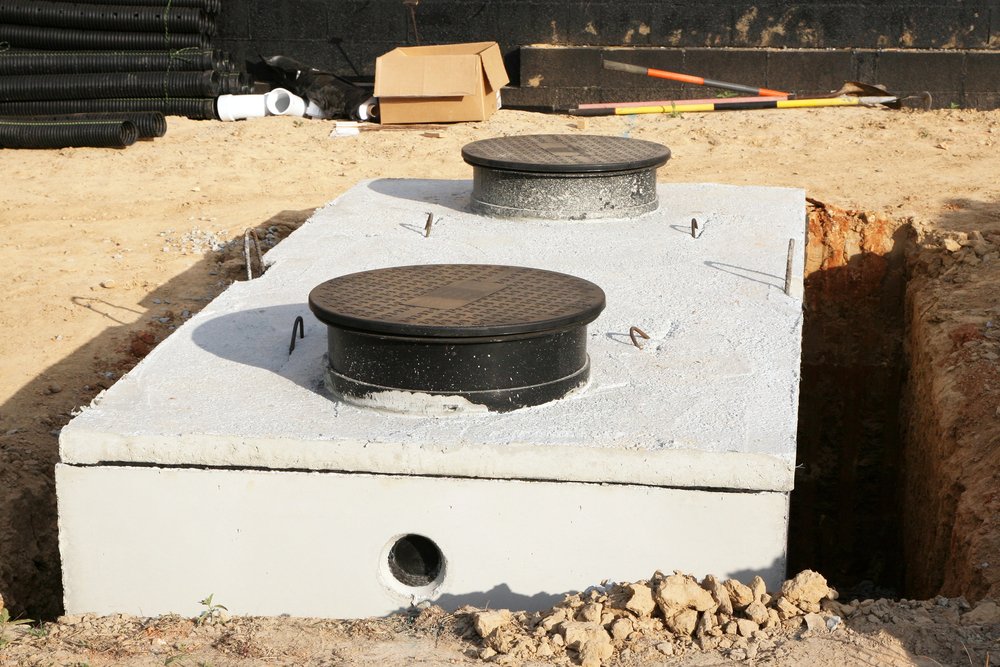
Septic Replacement, Tank-Only and Drain Field Costs
| Project (3-bedroom, conventional) | Typical cost |
|---|---|
| New system on a vacant lot | About $10,400 |
| Replace the whole system, including removing the old field | About $12,350 |
| Replace the drain field only | About $9,650 |
| Replace the tank only | About $3,900 – $4,900 |
| Routine pumping | $300 – $600 |
Replacing just the tank makes sense when the tank is cracked or rusted out but the drain field still drains well. If sewage is pooling in the yard, the grass over the field is soggy or drains back up after the tank is pumped, the field has likely failed, and that is the expensive part. Rocky or clay soil can raise field costs by a third or more.
Other Costs to Plan For
| Item | Typical cost |
|---|---|
| Perc and soil testing | $700 – $2,000 |
| Permits and inspections | $450 – $2,300 |
| System design (engineered systems) | $800 – $3,000 |
| Effluent pump and alarm for an uphill field | About $3,000 |
| Extra sewer line from the house | About $40 per foot |
| Tank risers and effluent filter | About $600 |
| Lot clearing | $1,200 – $4,500 |
| Topsoil, seed and lawn repair | About $800 |
Get Quotes from Local Septic Installers
Get at least three written quotes, and ask whether each one includes the perc test, design, permits, risers and lawn restoration. Those items are where quotes most often differ. Make sure the installer is licensed by your state or county.
Septic Maintenance Costs
A conventional system costs about $100 to $150 a year to maintain when you average out pumping every three to five years and an occasional inspection. Aerobic and other mechanical systems cost more, about $300 to $600 a year, because of electricity, service contracts and pump replacements.
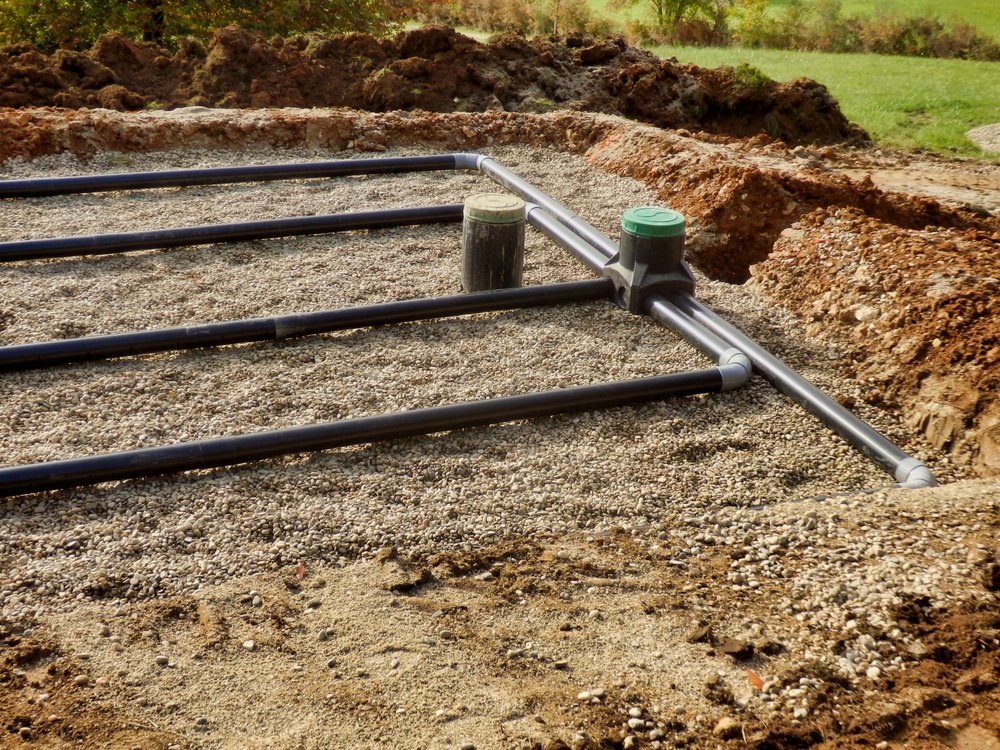
- Pump on schedule. Most tanks need pumping every three to five years. Waiting too long sends solids into the field, which is how most fields fail.
- Install risers. Risers bring the tank lids to the surface, so you don’t pay to dig them up every time the tank is pumped.
- Protect the drain field. Don’t park, build or plant trees on it, and send gutters and sump pumps away from it.
- Watch what goes down the drain. Grease, wipes and harsh chemicals shorten the life of the system.
Ways to Save on a New Septic System
- Test the soil before you buy land. A $1,000 perc test can tell you whether a lot needs a $10,000 system or a $20,000 one.
- Put the tank close to the house and downhill. Short sewer lines and gravity flow avoid extra pipe and an effluent pump.
- Install in dry weather. Late summer and early fall usually mean easier digging and fewer delays.
- Ask about local assistance. Some states and counties offer low-interest loans or grants for septic repairs, and USDA Rural Development has repair programs for eligible rural homeowners.
Adding a backyard cottage or garage apartment? Extra bedrooms often mean a larger tank or field. Price the whole project with our ADU construction cost calculator and garage apartment cost guide, and see payment options with our garage loan calculator.
Frequently Asked Questions
How much does a septic system cost for a 3-bedroom house?
About $10,400 for a complete conventional system with a 1,000-gallon tank, including testing, design and permits. Alternative systems such as mounds or aerobic units cost about $17,000 to $19,000 for the same home.
How much does it cost to replace a septic tank?
Replacing only the tank typically costs $3,000 to $5,000, including the new tank, removing or abandoning the old one, and permits. Replacing the whole system costs more, about $12,000 or more for a conventional system.
How much does a new drain field cost?
A new conventional drain field typically costs $5,000 to $12,000 including permits and design, and a mound or other engineered field can cost $15,000 or more.
How long does a septic system last?
A concrete tank can last 40 years or more, and a well-maintained drain field usually lasts 20 to 30 years. Pumps and aerobic components often need replacing every 10 to 15 years.
Why is my septic quote so high?
Poor soil, a high water table, a small lot or a site uphill from the house can all require an engineered system with pumps, which can double the price. Ask the installer to show you the perc test results and explain why that system type is required.
Pricing last updated October 2026 using national-average installed costs. Septic requirements and prices vary widely by state, county and site; always get written quotes and check with your local health department.
Pingback: ADU Cost Calculator 2026: Detached, Attached, Prefab and Conversion Prices - Garage Calculator
Pingback: Pole Barn Cost Calculator 2026: Kit, Turnkey and Per Square Foot Prices - Garage Calculator