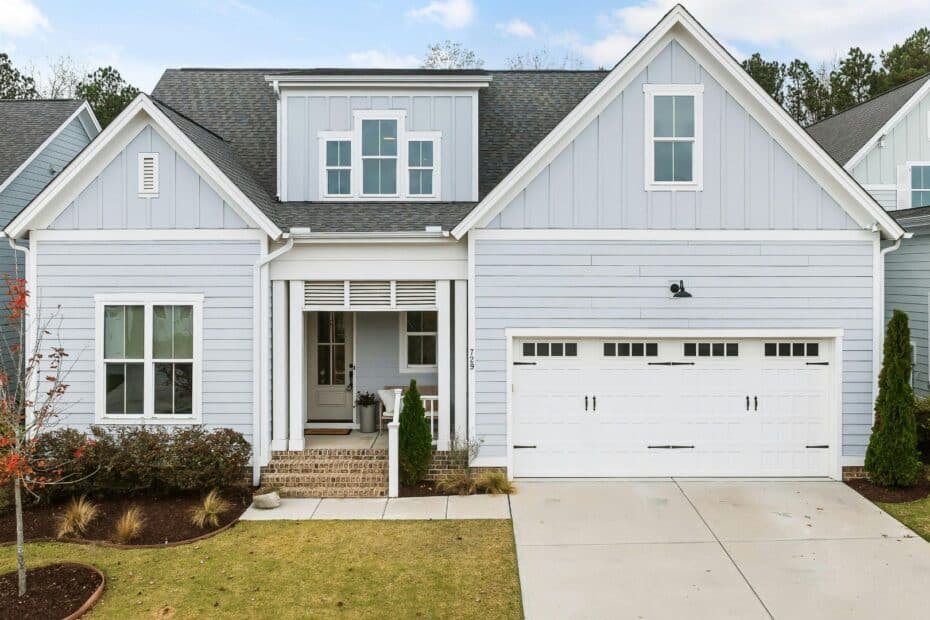
June brings peak construction season across the United States, with warm, dry conditions ideal for garage foundation work before fall weather delays and contractor shortages drive up prices. GarageCalculator.com provides instant material estimates, cost breakdowns, and customization options to help homeowners plan their build accurately and avoid costly mistakes.
Why Build Garages This Summer?
Summer soil stability ensures proper concrete curing without winter moisture complications. Contractor availability remains steady before autumn booking rushes, keeping labor bids competitive at $50-90 per hour. Concrete prices hold steady at $140 per cubic yard, lumber at $550 per thousand board feet amid consistent domestic supply. A standard 24×24 two-car garage averages $35,000-$50,000 complete, boosting home value 10-15% with immediate utility.
Top Garage Designs for 2026

Attached two-car garages with overhead storage dominate new builds, maximizing space efficiency. Detached workshop-style garages suit DIY enthusiasts and hobbyists. Insulated garage doors (R-10 rating minimum) and epoxy-coated floors lead durability choices. Electric vehicle-ready builds with 50-amp circuits now equip 40% of new constructions.
- Gable roofs at a 4:12 pitch shed rain and snow most effectively.
- 9-foot by 8-foot doors standard; 16-foot widths accommodate boats or RVs.
- Smart openers integrate Alexa and Google Home voice control.
Using GarageCalculator.com Effectively
Enter your garage width, depth, door sizes, and electrical requirements—receive instant outputs for cubic yards of concrete, board feet of framing lumber, and total project costs. A 24×24 basic two-car garage outputs 12 cubic yards of slab, 120 studs, and a $42,000 total estimate with standard finishes. Toggle attached versus detached configurations for ledger board requirements.
Pro tip: Factor 10% waste contingency for cutting losses—our calculator adjusts automatically without manual math.
Material Essentials Breakdown
Foundation slabs require a minimum 4-inch thickness with #4 rebar grid reinforcement. Wall framing uses 8-inch concrete block or 2×6 stick framing with roof trusses spaced 24 inches on center. Exterior siding accepts vinyl, wood, or fiber cement; roofing uses asphalt shingles rated for 30-year minimum lifespan.
| Component | Key Materials | Est. Quantity (24×24 Garage) | Avg. Cost (June) |
|---|---|---|---|
| Foundation | Concrete, rebar, mesh | 12 cu yd, steel reinforcement | $6,500 |
| Framing | 2×6 walls, roof trusses | 150 studs, 20 trusses | $9,000 |
| Siding/Roof | Vinyl panels, asphalt shingles | 1,200 sq ft siding, 25 squares | $7,200 |
| Doors/Windows | Insulated sectional, sliders | Two 9×8 doors, two 3×3 windows | $5,500 |
| Electrical/Finish | Outlets, epoxy floor coating | 100A panel, 576 sq ft floor | $6,800 |
National averages apply; enter your ZIP code to refine local labor rates and material availability pricing.
Step-by-Step Calculator Walkthrough
Input 24-foot width, 24-foot depth, 10-foot wall height. Select two overhead doors and a basic electrical package—generates complete bills of materials with anchor bolt counts, fastener quantities, and permit requirements.
- Site preparation: Verify a 4-inch slope away from the house foundation.
- Customize features: Add loft storage for $4,000 additional.
- Budget review: Compare economy pole barn versus full stick framing.
- PDF export: Generate builder-ready specifications and bid request documents.
This process saves days of spreadsheet calculations and manual material estimation work.
Codes and Permits Key Points
The International Residential Code (IRC) requires 200-amp electrical service for most new builds, GFCI-protected duplex outlets throughout, and 36-inch minimum door clearance. Detached garages need separate meter installation in many counties. Frost depth requirements range 36 to 48 inches in northern states. Many areas waive permits for structures under 200 square feet.
Our calculator cross-references local municipality rules and flagging requirements automatically.
Summer Budget-Saving Strategies
Pour concrete slabs now at $5.50 per sq ft versus $7+ during fall peak demand. Prefabricated trusses save 20% on labor costs versus custom cutting. DIY siding installation if you have basic carpentry skills.
- Metal roofing at $2.50 per sq ft lasts 50 years versus 20 for asphalt.
- Stock garage doors before the shortage season drives prices up.
- Owner-performs 70% of construction—hire licensed professionals for foundation and electrical only.
These strategies trim 25% or approximately $12,000 from average mid-range projects.
Avoid Costly Construction Errors
Undersized concrete slabs crack under vehicle loads (minimum 4-inch thickness, 3,000 PSI strength required). Skipping vapor barriers allows moisture to warp stored cabinets and tools. Incorrect door height blocks modern SUVs and trucks (minimum 7-foot clearance recommended).
Test multiple scenarios: RV storage versus standard car parking configurations.
Advanced Calculator Options
Professional mode simulates wind uplift resistance for 90-120 mph zones, seismic anchor requirements per ASCE 7 standards. Multi-bay commercial configurations calculate bulk material discounts. ROI projections based on 80% resale value recoup in most markets.
Perfect for real estate flippers, custom builders, and investment property developers.
Real Project Success Story

Tom added a 28×24 attached garage in Colorado: Calculator pegged $48,000 estimate—actual build cost $45,000. Added epoxy floor coating and custom workbench. Home appraisal increased by $38,000 immediately.
“The calculator nailed rebar quantities exactly—no shortages or emergency orders,” Tom reports.
Foundation Fundamentals Explained
Monolithic slab construction is fastest at $4 per sq ft; pier-and-block systems work better for uneven lot terrain. Frost walls essential north of the Mason-Dixon Line to prevent winter cracking.
Energy-Smart Additions Worth Investing
Insulate walls to R-19 minimum; radiant floor heating at $6 per sq ft provides comfort year-round. Solar-powered ventilation fans prevent mildew and moisture buildup naturally.
Future-Proof Your Garage Build
Install conduit for Level 2 EV charging stations now; run Cat6 ethernet for smart home integration. Loft stairs for seasonal gear storage add long-term functionality.
Start Planning Your Build Today
Visit GarageCalculator.com, enter your dimensions, and download complete bills of materials. Summer’s construction advantage—build efficiently and avoid fall price surges.