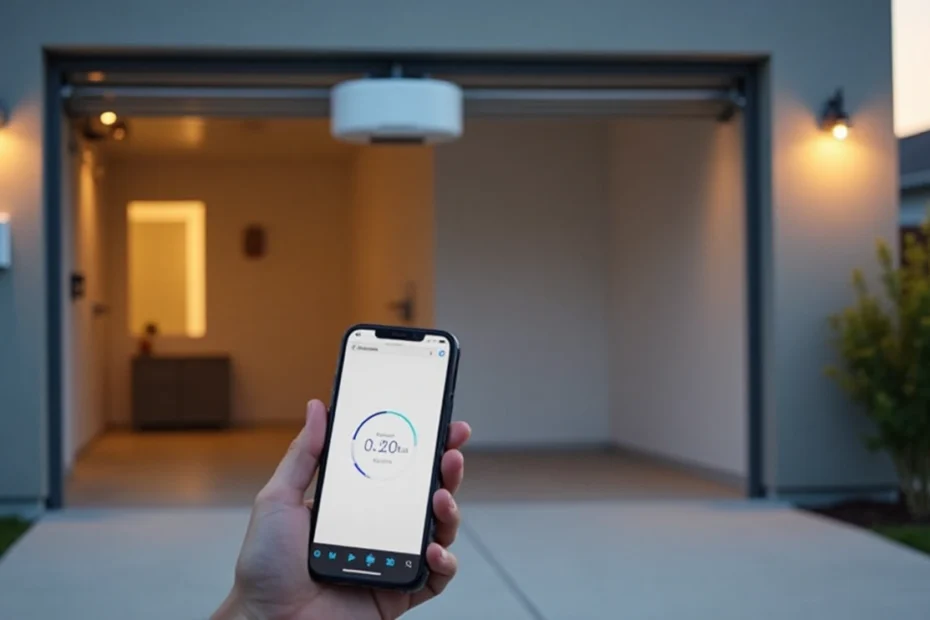
A single company, Chamberlain Group, dominates the US garage door opener market with about 70% market share. The smart garage door opener market tells a different story, with more players competing at price points between $30 and $100.
Smart garage door opener controllers can turn your existing opener into a connected device. You’ll get remote access and smart features without replacing your whole system. The market offers plenty of choices. Some controllers work naturally with Alexa and Google Home, while others like the Wyze model come with built-in cameras. These systems let you monitor and control your garage door from anywhere. This feature proves invaluable to busy families and people who travel often. In general, controllers with wired door-position sensors are more reliable than those that depend on battery-powered tilt sensors, which can drop their connection or send false alerts.
What Makes a Smart Garage Door Opener Worth It
Smart garage door openers change the way you use one of your home’s largest entry points. These devices are becoming a must-have for modern homeowners.
Why traditional remotes fall short
Traditional garage door remotes provide simple functions but have major limitations. You might have experienced driving away and wondering if your garage door was left open. Standard remotes force you to drive back home to check. These devices are easy to lose, have poor range, and lack monitoring features or notifications.
Benefits of remote access and automation
Remote access is the lifeblood of smart garage door technology. Your smartphone lets you control your garage door from virtually anywhere. This feature helps especially when you have family members or service providers who need access while you’re away.
These systems give you peace of mind through:
- Immediate alerts when your door opens or closes
- Auto-close features that secure your garage after a set time
- Scheduling options that ensure your door closes at specific times
Premium models include Night Mode, which watches your garage door throughout the evening. This advanced monitoring keeps your home secure all night, unlike simple “close at 9 PM” solutions that fail if someone opens the door at 9:05.
Smart home integration advantages
Smart garage door openers merge naturally with existing smart home systems. Many models work with Amazon Alexa, Google Assistant, and Apple HomeKit, which allows voice-controlled operation. You can simply say “Hey Google, open the garage door” as you approach home.
This feature connects to other smart devices in your house. You can create automated routines that adjust your thermostat, turn on lights, and lock doors when your garage door moves. Some systems monitor your garage’s temperature and alert you if it becomes too hot or cold for sensitive items.
The benefits become obvious once you use these features daily. Smart garage door openers add convenience, boost security, reduce energy costs, and provide the automation that modern homeowners want.
Popular Smart Garage Door Controllers in 2026
These are five of the most widely used smart controllers. App integrations and compatibility lists change, so check the maker’s compatibility tool for your opener’s brand and model year before you buy. If your opener is more than 15 years old, a new opener with Wi-Fi built in may cost little more than a retrofit; compare prices with the garage door opener installation cost calculator or shop smart garage door openers.
1. Tailwind iQ3: Best for compatibility and automation
The Tailwind iQ3 works with most garage door openers made after 1993. Its patented auto-open technology needs both your phone and vehicle to approach together, making it a lot more secure than other options. This system shines because it can control up to three garage doors simultaneously and supports automated opening from 50-750 feet away. Most people get the best results at 200-250 feet, which lets the door open fully right when they arrive.
2. Meross MSG100: Best for speed and app control
The MSG100’s highly sensitive door sensor tracks your garage door status with amazing precision. It works perfectly with prominent voice assistants like Apple HomeKit, Siri, Amazon Alexa, and Google Assistant. You’ll get different types of alerts – including overtime and overnight notifications – so your garage stays secure.
3. Chamberlain MyQ: Best for easy setup and delivery integration
The Chamberlain MyQ takes just minutes to set up. The secure package delivery integration lets couriers place packages safely inside your garage. The app lets you share limited access with up to five people through guest profiles, so you retain control while making things convenient.
4. Wyze Cam v3: Best value with built-in camera
The Wyze Garage Door Controller gives you great value by combining AI vision-sensing with HD video monitoring. You can set it up in 10-20 minutes, and it provides 1080p HD clarity with color night vision. Homeowners who want visual confirmation will love the instant alerts when their door opens or closes unexpectedly.
5. Genie Aladdin Connect: Budget-friendly with simple features
The Genie Aladdin Connect gives you smart features at an affordable price. It handles up to three doors (you’ll need extra sensors) and works great with Amazon Alexa and Google Assistant. The system’s sensor attaches right to the garage door, so you’ll know if the door moves even manually.
Key Features Experts Look For
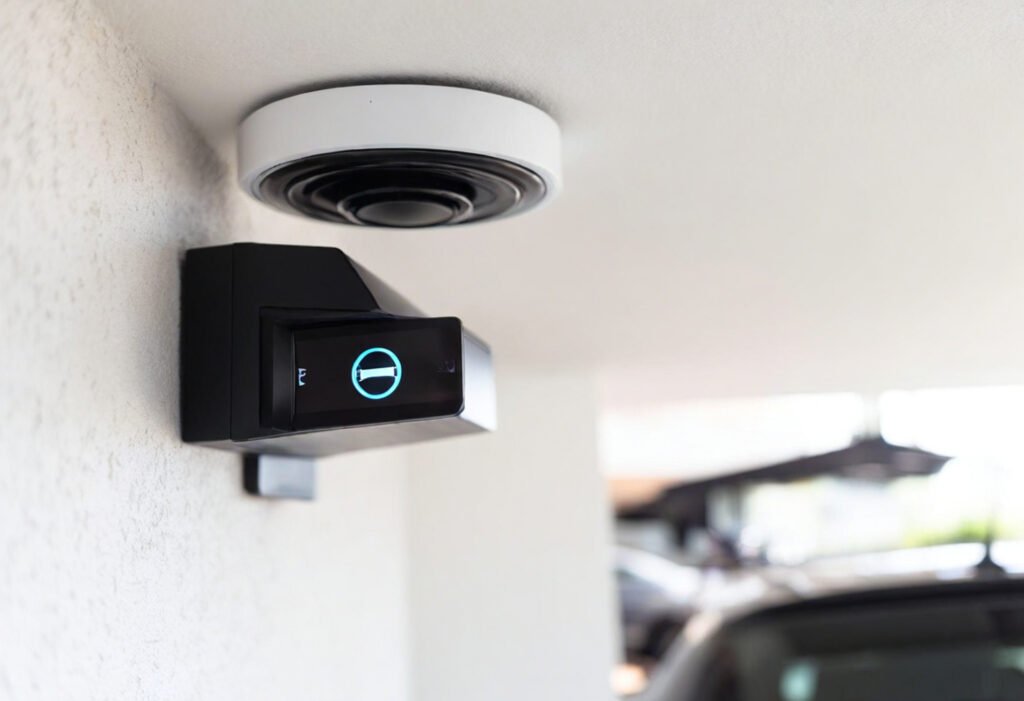
Professional installers look at six key features to evaluate smart garage door openers that ensure reliable performance and happy users.
Smart assistant compatibility (Alexa, Google, Siri)
Voice commands to control your garage door are crucial for a truly connected smart home. Premium controllers now work with multiple platforms at once. The eKyro model connects to all Alexa devices and needs a PIN to safely open doors. Refoss controllers work smoothly with Apple HomeKit, Siri, Amazon Alexa, Google Assistant, and CarPlay. Users can switch between platforms without any restrictions.
Auto-open and auto-close functionality
Auto-closing functionality keeps your garage secure. The system locks up automatically if your garage door stays open too long. You can set custom times before the door closes. The system lets you turn this feature off while you work in the garage. All the same, high-end models like Tailwind iQ3 can both open and close on their own.
Multi-door support and sensor types
Homes with several garage doors need controllers that handle multiple entries. The myQ Internet Gateway tracks up to 16 myQ devices, while the myQ Smart Garage Hub manages two garage doors with sensors. Wired sensors tend to work better than wireless ones.
UL 325 safety compliance
UL 325 compliance must be met for safe operation. This standard requires garage door openers to reverse within 2 seconds. The systems must have external entrapment sensors and a 30-second timer that reopens the door if it can’t close fully.
Camera integration and video monitoring
Built-in cameras boost security features. The Secure View series comes with cameras and dual LED lights. The myQ Smart Garage Camera shows up-to-the-minute footage suited for garage conditions with Wide Dynamic Range for tricky lighting. Some systems let you talk through the camera and record in 1080p HD.
App usability and remote alerts
Good apps send instant notifications with different sounds for each event. Users should look for custom alert options, including reminders to close the door and overnight warnings. Better systems track usage history and let you share access with family and friends.
Installation and Setup: What to Expect
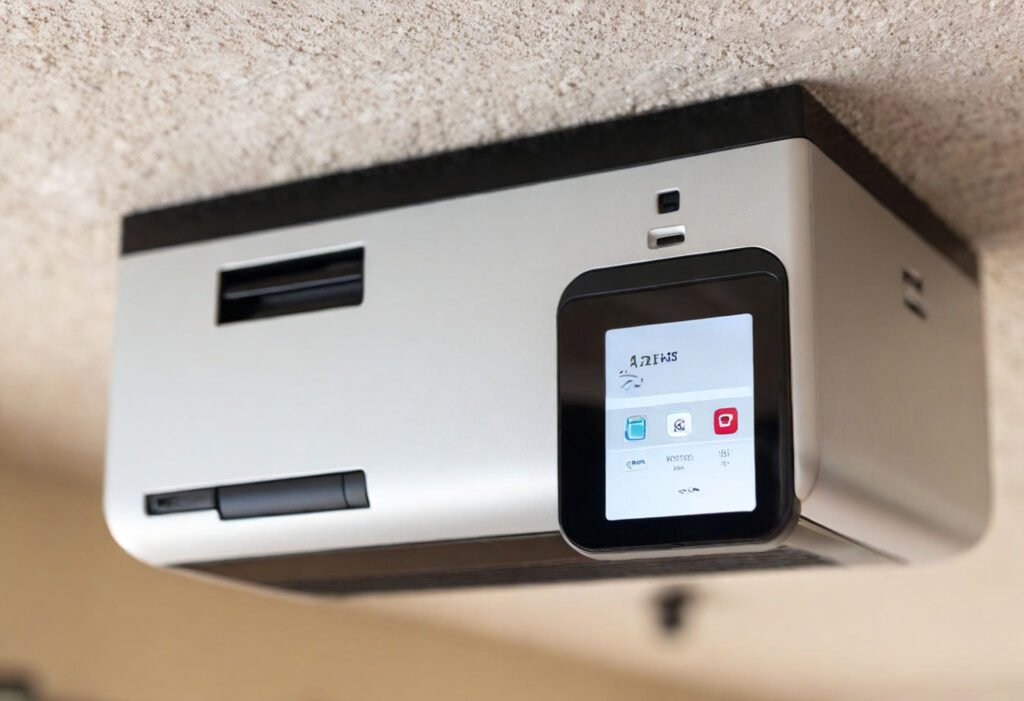
Smart garage door opener setup needs careful thought about several factors that affect performance and reliability. Here’s what you should know before you begin.
Wired vs wireless sensor systems
Wired sensors work better because signals that travel through wires rarely get lost. These systems give you better security against hacking since they don’t need wireless internet connections. The downside is they must connect to your home’s electrical system, which makes installation trickier.
Wireless sensors are easier to install because they don’t need to connect to your home’s electrical grid. They have their drawbacks though. You might face signal interference issues, need to replace batteries, and risk getting hacked if security isn’t set up right.
Common installation challenges
Sensor placement problems happen most often during setup. Your garage door sensors must sit about six inches above the ground and need a clear line of sight between them. The door might not work properly if you don’t get this right.
Technical know-how can be another roadblock. Many manufacturers call their smart garage door openers DIY-friendly, but you still need to understand wiring and programming. Wrong measurements or loose opener installation leads to shake, noise, and possible damage.
Tips for improving Wi-Fi signal in garages
Your garage needs good connectivity. Here’s what helps:
- Keep your router within 50 feet of your smart garage door opener
- Put your router higher than 6 feet from the ground
- Use channels 1, 6, or 11 on your 2.4GHz network
- Place a Wi-Fi extender halfway between your router and garage (but not inside the garage)
Apps like WiFi Analyzer help you test your garage’s signal strength before installation.
When to consider professional installation
Safety concerns might make professional installation worth the cost. Garage doors are heavy and work under tension, which creates risks if handled wrong. Professional help makes sense if your warranty needs it to stay valid. Complex setups with multiple doors or poor WiFi signals need expert help to work right and perform their best.
How to Set Up a Smart Garage Door Controller
Most retrofit controllers install in 30 to 60 minutes with a drill, a screwdriver and a stepladder.
- Check compatibility and Wi-Fi. Find your opener’s brand and year on the motor label and confirm it with the controller’s compatibility tool. Stand in the garage with your phone; you need a steady 2.4 GHz signal at the opener.
- Install the app and create an account before you climb the ladder, so you can follow the in-app steps.
- Unplug the opener and mount the controller on the ceiling or wall near the motor.
- Connect the wires to the same terminals as the wall button (most models), or pair it wirelessly if your opener uses a proprietary system.
- Mount the door sensor on the top panel of the door, or run the wired contact sensor to the floor.
- Plug the opener back in, join Wi-Fi and test open, close and alerts several times. Make sure the opener’s own safety-reversal sensors still stop the door.
- Set alerts and auto-close (for example, close after 10 minutes or at 10 PM) and share access with family.
If it will not connect: move the router or add a mesh node near the garage, switch the phone off 5 GHz during setup, and check that the door sensor’s battery is fresh. If the door reverses after you add the controller, realign the safety sensors near the floor so they face each other with a clear line of sight. If the door itself is sticking, noisy or uneven, fix that before adding smart controls; the garage door repair cost calculator shows what common repairs cost.
Beyond the Opener: Other Smart Garage Upgrades
- Cameras: a garage camera with motion alerts lets you confirm deliveries and see the door before closing it remotely.
- Smart lock on the entry door: closes the second way into the house through an attached garage.
- Motion-sensor LED lighting: lights come on when the door opens; inexpensive and saves fumbling for switches.
- Temperature and leak sensors: alerts before a garage freezer fails or pipes freeze.
- Smart plugs for heaters and fans: schedule them and shut them off remotely. Use only plugs rated for the heater’s full load.
- Smart EV charger: schedules charging for off-peak electric rates. See the EV charger installation cost calculator.
Conclusion
Smart garage door openers have grown way beyond simple convenience gadgets and become essential smart home components. This piece explores how these devices beat traditional remotes and add valuable security features with automation capabilities.
Popular choices include the versatile Tailwind iQ3, responsive Meross MSG100, user-friendly Chamberlain MyQ, camera-equipped Wyze Cam v3, and budget-friendly Genie Aladdin Connect. Each device brings its own advantages based on your needs and budget.
The best smart garage door controllers share some key features. They work with multiple platforms, open and close automatically, handle several doors, meet UL 325 safety standards, work with cameras, and come with user-friendly apps that send custom alerts. These features create a complete smart garage experience.
Different models need different levels of setup work. Wired sensors work better but need more technical know-how to install. Wireless options are easier to set up but might have connection issues. Professional installation makes sense for complex setups or if you don’t feel comfortable working with electrical parts.
Smart garage door openers stand out as one of the most practical smart home upgrades today. They tackle security issues head-on, make life easier, and give you peace of mind that old systems can’t match. The benefits of upgrading are nowhere near the original cost. Your garage door isn’t just an entrance anymore—it’s a key part of your connected home.
Pingback: Garage Door Cost Calculator 2026: Prices by Size, Material and Opener - Garage Calculator
Pingback: Garage Door Opener Installation Cost Calculator 2026: Prices by Type and Features - Garage Calculator
Pingback: Garage Upgrades Worth the Money in 2026: Costs, Value and Trends - Garage Calculator